


From a Backyard Shelter to a Regional Lifeline,
The Windsor-Essex Humane Society Celebrates a Century of Service to Animals and the Community
Story by Paula Just
Photography by Heike Delmore
This year marks a significant milestone for the Windsor/Essex County Humane Society (WECHS): 100 years of dedication to animal welfare in the region. The organization began in 1925 when local resident, Georgina Lamarsh, opened her home on Goyeau Street as a shelter, marking the beginning of the animal welfare movement in Windsor.
One year later, the Windsor Humane Society was formally established and the first Humane Officer was hired. Its initial official building opened in 1952 on Crawford Avenue, but in 1971, the organization moved to Provincial Road, where it continues to operate today.

From its earliest days, the place has been providing care, rescue and support for a wide range of animals—from cats and dogs to sheep, goats, rabbits, horses and reptiles. Even a bear has been housed at the Humane Society, when in June 1980, a young black bear escaped from the Belle Isle Zoo and swam across the Detroit River to Windsor. The animal was briefly cared for in the location before being safely returned to the American Zoo.
Nowadays, the services include rescuing distressed and abused domestic and wild animals, operating shelters, foster programs, pet food banks and spay-and-neuter initiatives. Community generosity is what makes this work possible. Close to 50 percent of WECHS’ annual revenue comes from fundraising efforts and donations. Volunteers also play a vital role in the organization’s daily operations, with hundreds supporting its work.
“Without the community, the organization wouldn’t exist or be able to continue,” affirms Lynnette Bain, Executive Director of WECHS. “Together, we’ve helped establish strong leadership in the animal welfare world and demonstrated how critical the services we provide truly are,” she remarks.
This year’s centennial celebration includes a full schedule of planned programs and campaigns. One of them is the expanded adoption partnerships to help animals find homes more quickly. A new PetSmart Charities program called “Adopt Joy” will feature WECHS dogs each month at the PetSmart Dougall Avenue location.
In addition, WECHS will host Adopt & Shop events twice a year at Devonshire Mall. “Some people feel more at ease meeting animals outside the shelter, where pets often show more of their true personalities,” Lynnette notes.
Another major initiative is the Fuel the Future campaign, which focuses on replacing the Humane Society’s aging fleet of rescue and response vehicles. Lynnette explains: “Reliable vehicles are essential to our rescue work. With our current fleet well past its prime, replacing these vehicles is a significant challenge, especially with limited budgets.” The campaign aims to raise $100,000. People can support the campaign by donating in person at the shelter, by phone, or online through windsorhumane.org.
As part of the broader 100th anniversary celebrations, WECHS will promote the Great Catsby Gala, which will take place in April. The event will feature a glamorous 1920s-inspired evening with live entertainment, dining and a silent auction honoring a century of helping animals in need.
The team is also preparing to launch a youth volunteer program in the summer. A pilot program is currently underway with the children of staff and volunteers. The initiative hopes to foster empathy and humane values from an early age.
Having recently celebrated her first anniversary as Executive Director, Lynnette reflects on the past year as the most intense learning experience of her career. “This year has been a masterclass in leadership and learning,” she says. From the outset, her focus was on stabilizing the organization and fostering a workplace where staff felt safe, valued and united as a team.
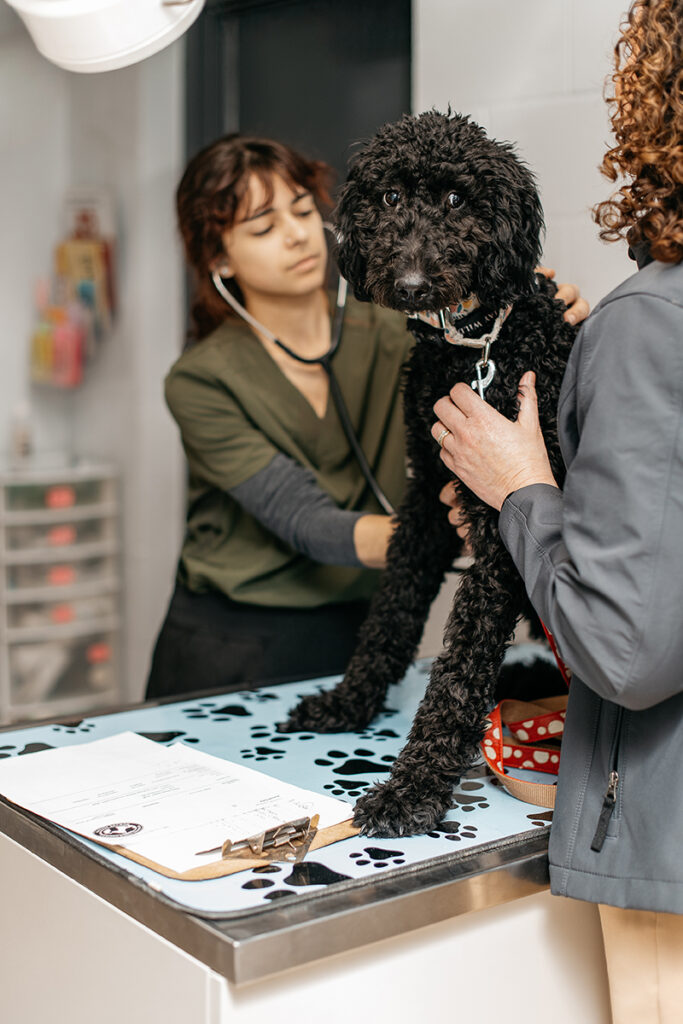
Early in her tenure, those priorities were tested by a parvovirus outbreak in downtown Windsor during the last winter. The outbreak led to heartbreaking outcomes, with many families separated from their pets, and some of them did not survive. Beyond the tragedy, the situation exposed a deeper issue: many people in the community lacked access to affordable veterinary care and preventative services. “Access to vaccinations and preventative services shouldn’t be a luxury,” she comments.
In response to this situation, preventing similar tragedies in the future meant finding ways to reach underserved communities. “We revisited our strategic priorities, and there was overwhelming support for doing more work focusing on people who are less fortunate,” she stresses. One of the most significant initiatives to emerge from that vision is the Helping Paws Mobile Veterinary Outreach Program.
Through collaboration with Windsor-Essex Community Housing Corporation and funding from the Ontario SPCA, the Helping Paws Mobile Veterinary Outreach Program was launched in December 2025. The program has already made a tangible difference, helping more than 100 animals receive vaccinations, microchips and access to subsidized spay and neuter surgeries. Currently, it aims to reach residents and their pets in more than two dozen communities. “Hearing directly from residents about the difference this initiative makes has been incredibly touching,” Lynnette adds.
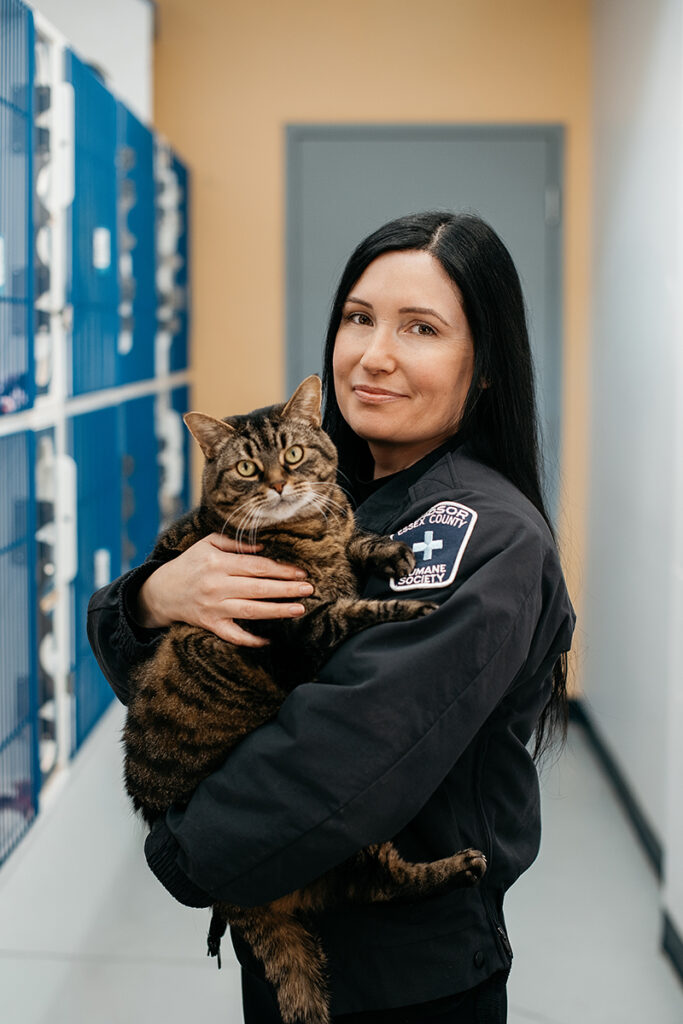
Modern animal welfare at the Humane Society goes well beyond providing temporary housing. Through enrichment programs, behavioral support and personalized care plans, the organization prepares animals for successful adoption. Each month, the shelter places between 200 and 250 animals into loving homes while caring for 150 to 400 at any given time.
“Every animal is different; they might face challenges unlike any other,” Lynnette notes. “So we work very closely with them to identify what their needs are. It gives them the opportunity to shine when it comes time for their adoption,”
As WECHS looks toward its next century, its vision centers on community engagement, education and adaptability. Rather than simply expanding kennel space, the organization hopes to develop more training and wildlife care programs. “As the population grows, interactions with wildlife increases, and we want to be better equipped to help. It’s about improving space, technology and tools to provide the best possible assistance,” Lynnette says. Through its public spay-and-neuter clinic, the organization plans to perform at least 3,000 surgeries this year, with a strong focus on underserved communities as well as feral and community cats.
To Lynnette, the future of the WECHS depends on continued community involvement. She expresses deep gratitude for the support the organization has received over the years and invites residents to walk alongside them into the next century. “Visit us, ask questions, volunteer, foster, or attend events. Every bit of support makes a difference.”
Follow Windsor Humane Society on social media to stay informed about upcoming events. Photos and biographies of featured animals will be shared in advance, and potential adopters are encouraged to complete a free, no-obligation online application beforehand to significantly speed up the adoption process.
Published in the Your Place Or Mine? 2026 Edition.

Add comment