

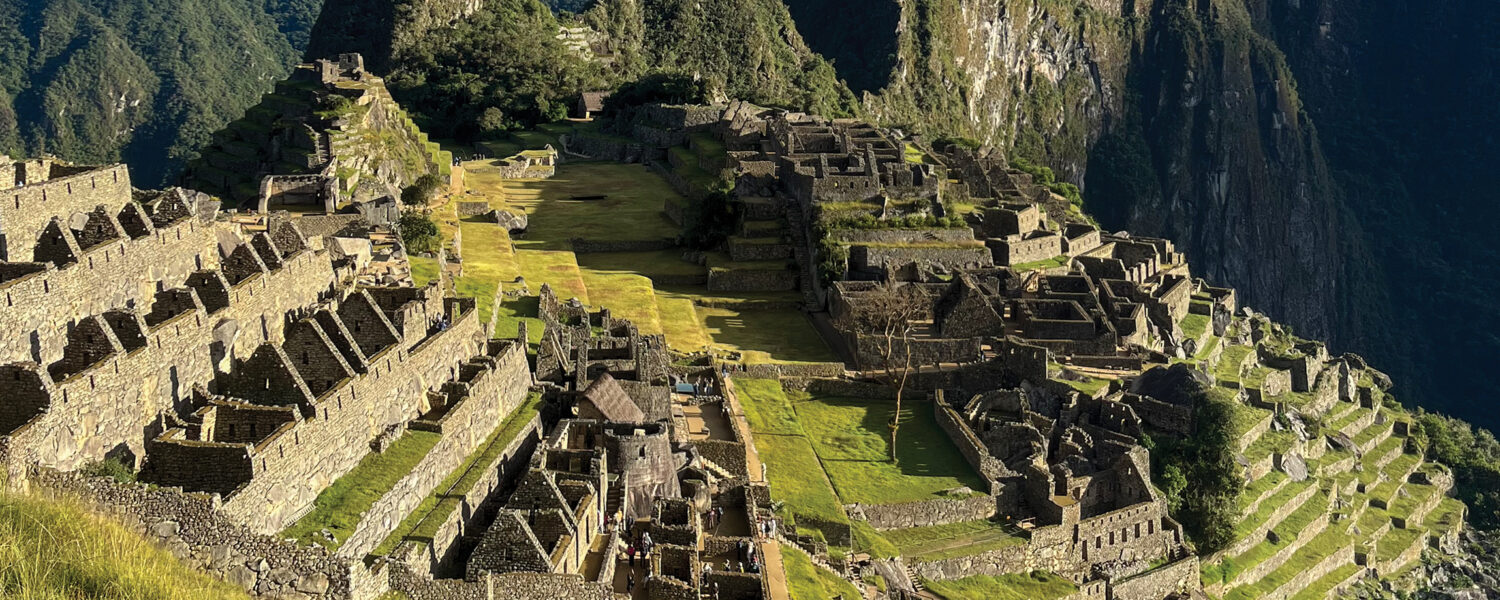
Five Day Hike to Machu Picchu
Story and Photography by Serafina Piasentin
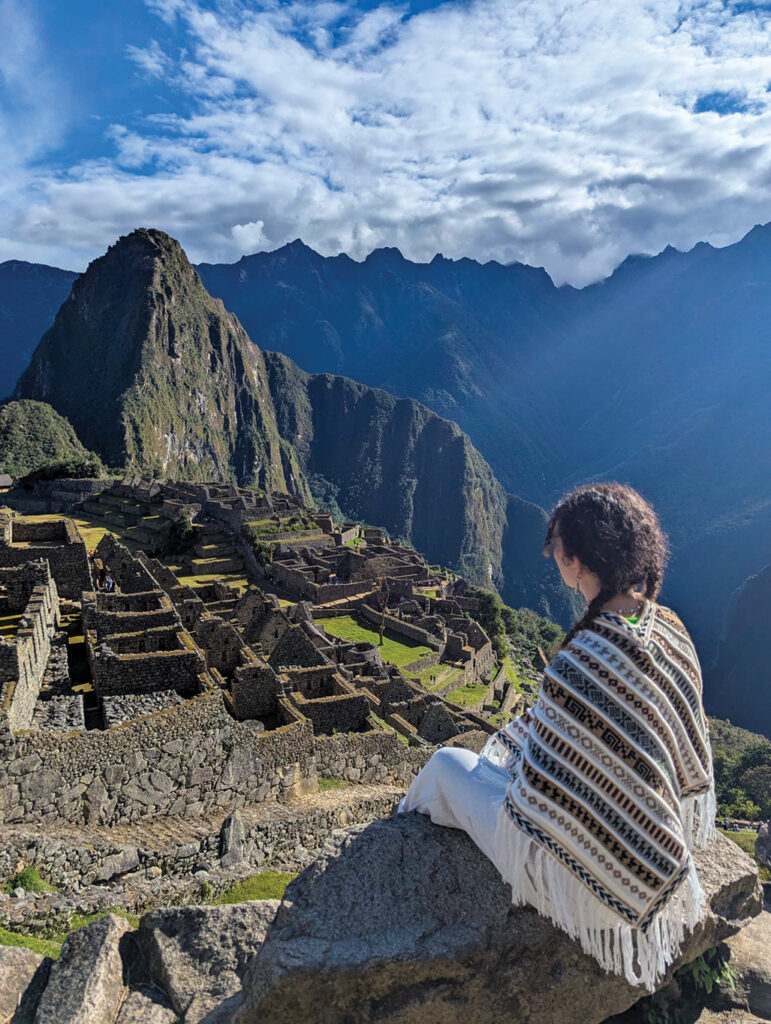
Go to Machu Picchu before you can no longer explore the ruins. If the magical Andean mountains and the authentic Peruvian culture weren’t enough to convince me, this statement was.
I spent two weeks in Peru prepared with hiking gear and a nearly non-existent understanding of Spanish. I could tell you about our dune buggy ride around Huacachina Oasis, our queasy flight over the Nazsca lines, or our lackadaisical strolls through Cusco’s flower potted streets; but instead, I will focus only on the five days I spent hiking to the elusive Inca ruins situated high in the Andean mountains, the 7th Wonder of the World, Machu Picchu.
What could be so fascinating about a bunch of mortar-sealed stones? Besides the intricate handiwork of the Inca and pre-Inca civilizations, Machu Picchu is a testimony to a life we were not privy to, a history preserved and protected by a ring of towering mountains. It is difficult to get to because the Incas cherished their defensive location. Not only is Machu Picchu home to plenty of natural resources, being fed by a mountain spring that still trickles down into the valley below, but it is also protected by nature itself. The Quechua people refer to Mother Earth as “Pachamama,” and it is she who the Incas built temples for. To allow their reverence of nature to persist, Machu Picchu will soon be closed to tourists, save for a viewing platform. As someone who walked through each of the three circuits which take tourists through the ruins, I hope you do not miss your chance to experience the ancient city.
To reach Machu Picchu, you have two options. You can take the train to Aguas Calientes for $150 Cdn. round-trip, and then take a bus to the ruins for an additional fee. This option is preferred by those with physical limitations (such as difficulty acclimating to altitude) as well as those with a limited amount of time. However, there is a more thrilling option: hiking through the Andes to the ancient wonder. There are many trail options and many tour companies. We chose Alpaca Expeditions because they are the only local company. The most popular route is their 4-day/3-night Inca Trail which follows the original pathway that the Incas took into Machu Picchu. However, the 4 days/3 nights Lares Trek combined with the short Inca Trail of 2 days/1 night, is the best of both worlds.
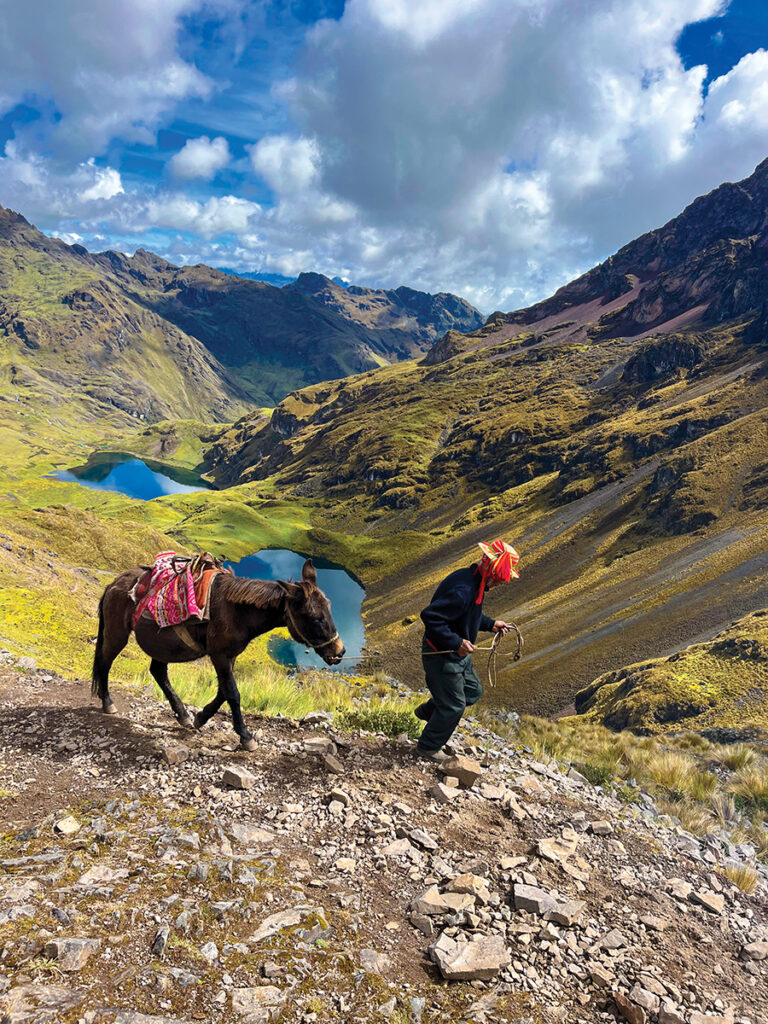
We packed our necessities into a daypack and placed the rest of our belongings in duffle bags that porters carried up the trails to our campsite. Our guide and most of our crew, which included one cook, two porters, and two horsemen, were of Quechua heritage. Each day, the porters and horsemen set up our camp in Quechua communities in the mountains. Part of our payment goes directly to these local families for lending us their land. Three times a day, the cook made us exquisite feasts—platters of ceviche, guacamole, chicken, vegetables, and more—seemingly impossible to pull off with minimal equipment. On our last night of the Lares Trek, we were surprised with an entire cake that read “The Journey is the Destination.” Truly, each step of those 50 km (10 a day) was just as rewarding as reaching Machu Picchu itself.
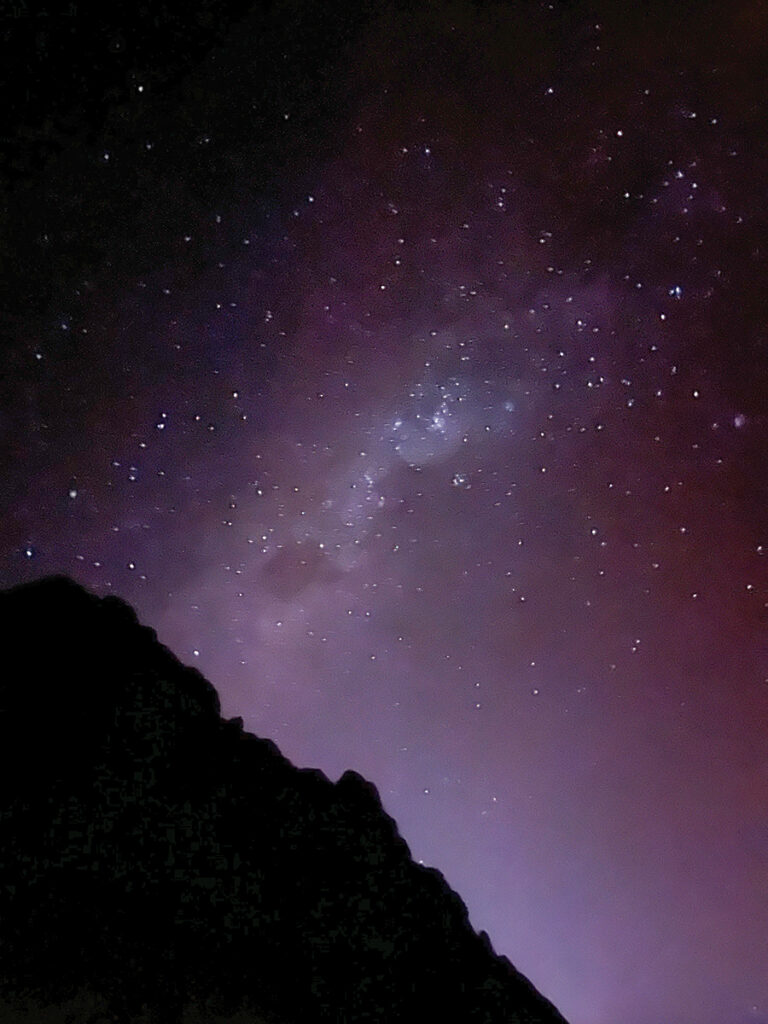
Something about the Lares Trek that you won’t get with the other routes is the small group sizes. Our group consisted of 6 people, allowing us to rely on each other as we faced and conquered the struggles of altitude sickness, fatigue and mosquitoes. This experience wasn’t glamorous. It was a reversion to the Earth, a reminder that we too are animals trying to find our purpose. This means a portable toilet and exposure to the elements. But it also means sleeping under the Peruvian Milky Way and reconnecting with nature.
The first day was a gentle introduction to the hike. We were picked up from our accommodation in Cusco at 5:00 am to enjoy a mountain hot spring. Though it drizzled, we proceeded to hike 10 km with a lunch break halfway. Waterfalls decorated our trail, thundering reminders to go with the flow and keep walking. Along the way, we attracted a wayward dog who guided us through the winding paths for the duration of the Lares Trek. He provided much needed moral support.
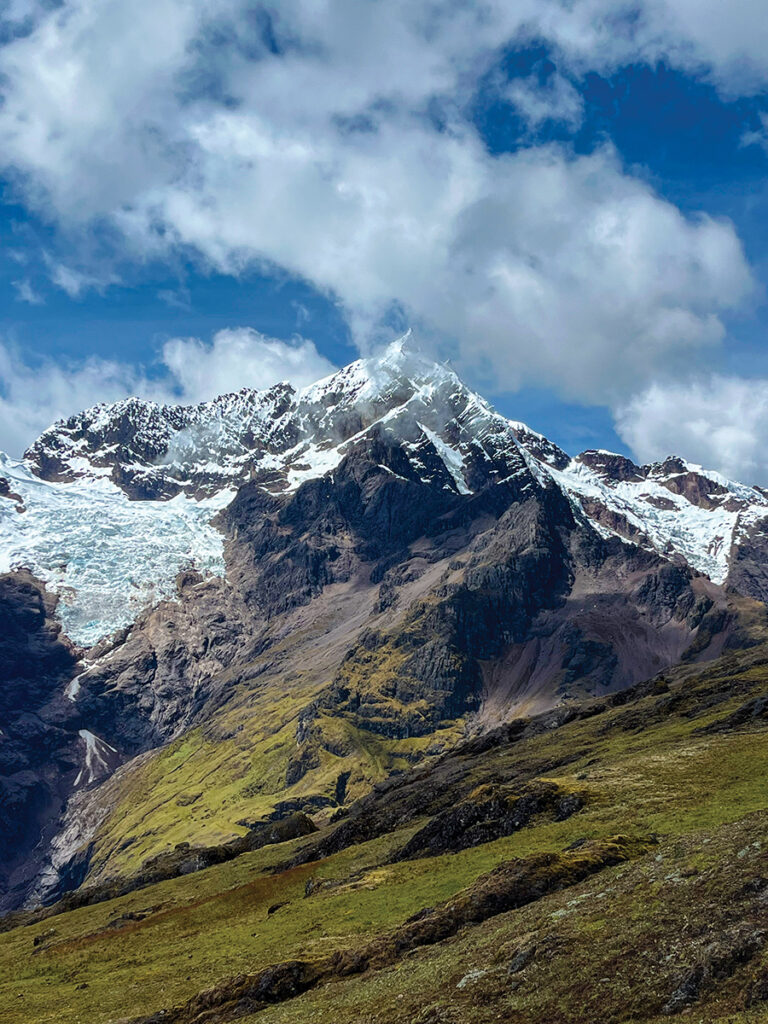
The second day was the most difficult. We hiked to Condor’s Peak which sits at 15,300 ft. During the climb, I was struck by altitude sickness. It was impossible to walk more than five minutes without needing to catch my breath—and this is coming from someone who works out consistently. The lightheadedness was trying, but I pressed on. I am so grateful I did, because glaciers greeted me at the summit. The views brought tears to my eyes (or maybe it was the nausea). This is why it is advised to spend a few days in Cusco to get used to the altitude. Finally, after resting for half an hour, I acclimatized. I went to sleep under the stars feeling immensely proud of myself.
I woke up with a puffy face—my nose and eyes had swelled to the size of a jumbo marshmallow. The elevation had struck again. Totally harmless, and fortunately, it faded away quickly. The third day was all downhill. We visited a school 10,000 ft in the mountains and then got a bus to the Mares Salt Flats. Our guides were accommodating when we requested a stop at the Mountain View. This is a place I recommend staying if you want to have a picnic with alpacas and llamas!
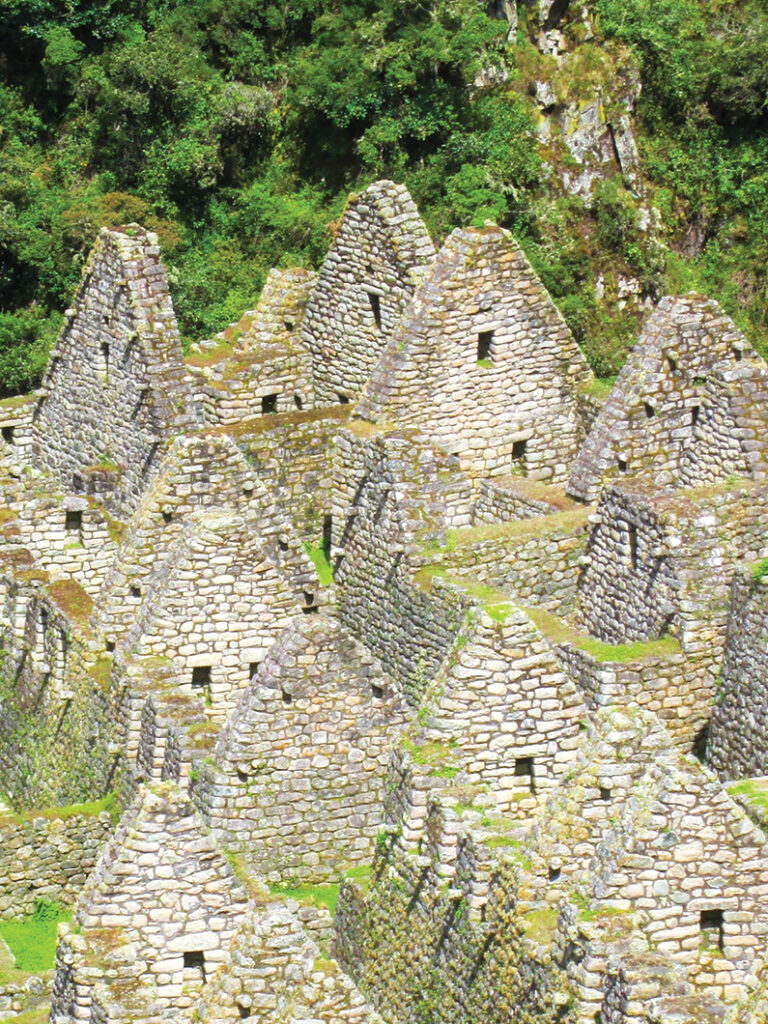
Afterwards, we said goodbye to our guides and group. In between the Lares Trek and the Inca Trail, we had one blissful stay at a hotel in picturesque Ollayntaytambo. We were picked up the next day at 6:00 am by our new, larger group. A train took us to kilometer 104 where we began the last leg of our journey. We hiked up stairs, and more stairs, and monkey stairs (where you have to climb using hands and feet). This was the second most difficult day as it was all uphill, though the elevation is lower than Condor’s Peak. This option is still more rewarding than taking the bus to Machu Picchu because we were able to see other Inca ruins like Wiñay Wayna and the Sun Gate (the original entrance to the Inca city) that most tourists miss.
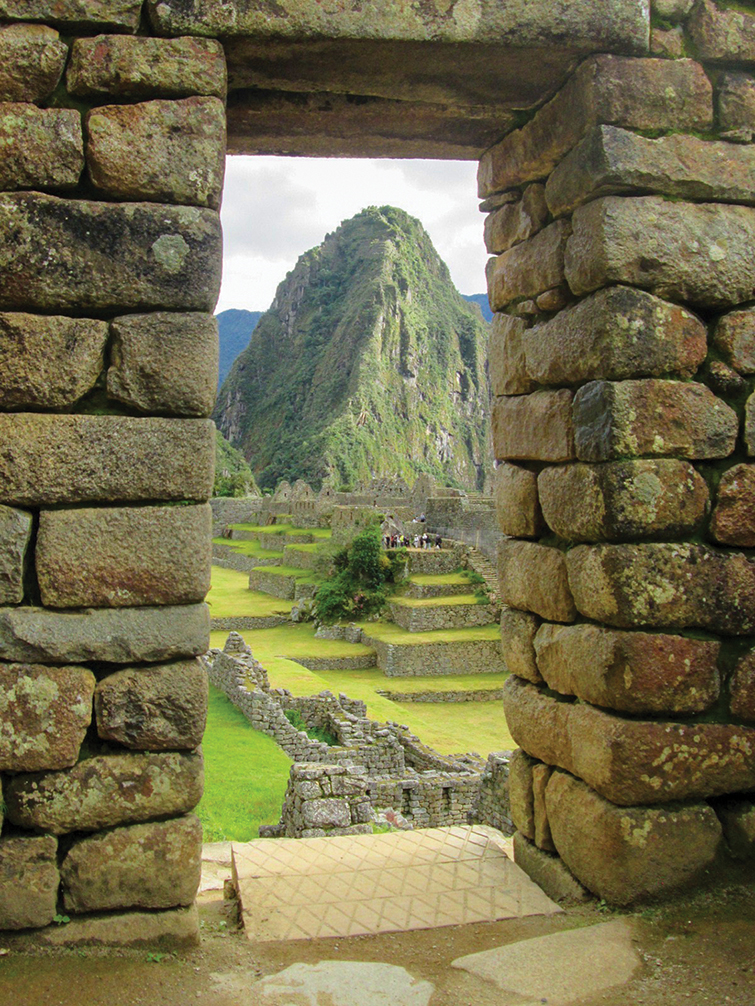
Even after four days of ethereal views, nothing could have prepared me for the beauty of Machu Picchu. I couldn’t look away from the sheer magnitude and historical grandeur of the ruins. We were beyond blessed to have blue skies arching over Huayna Picchu. It was impossible to look at the Happy Mountain without being happy ourselves. After four days of rigorous hiking, we had made it. What was even more amazing was that after soaking in the view, we got to come back the following day to peruse the circuits. Since we did two trails, we visited all the circuits, allowing for a thorough tour.
Only then did I understand the concept of finding beauty within ruins. After suffering from altitude sickness and camping with minimal resources, I learned how to live small. Such a grand experience opens your eyes to the vastness of the world. The people living off-grid in the tall Andean mountains showed me the insignificance of our lives. We are but moments in the cosmos, singular stars, and sometimes it is enough to just shine. The purpose might be to reach a Wonder of the World, but perhaps it is much simpler. Perhaps it is enough to just be a wonderful part of the world.
Published in the September 2025 Edition.

Add comment