

Experiencing Japan in all its Friendly,
Efficient and Cultural Wonder
Story by Alley L. Biniarz
Photography by Bill and Pam Seney
Japan wasn’t originally on the Seney’s list of places to travel to. It was a feeling that came up all of a sudden and they knew they had to go—and are so thankful that they did.
They boarded their flight and started their trip where most do when landing in Japan: in the capital city of Tokyo, home to nearly 37 million people. Bill and Pam, two travellers who are known for their epic spreadsheets and plans that would make the weariest of travellers feel prepared, say that even they were surprised when they landed.
Tokyo isn’t your typical big city. Where many cities are filled with pushy strangers and garbage in the streets, this one comes with considerate and welcoming people within a clean and vibrant setting. Pam says that on multiple occasions they were stopped by locals who helped them on their way. “They saw us looking at our Google Street view and even though they couldn’t speak English, they translated the directions on their phones, and two people even walked us to the places we needed to go,” she says.
The kindness continued everywhere they went, from the volunteers who would share information about tourist attractions without accepting tips, to the tellers working alongside machines ensuring that their users didn’t overpay for transit, all the way to the driver of the streetcar making sure they got off at the right stop. Bill says that they also noticed no loud music playing, no rushing off trains and much of the younger generation politely got up from their seats on transit to allow their elders to sit. “Tokyo is the biggest city in the world and yet it was so quiet sometimes you could hear a pin drop,” Bill says.
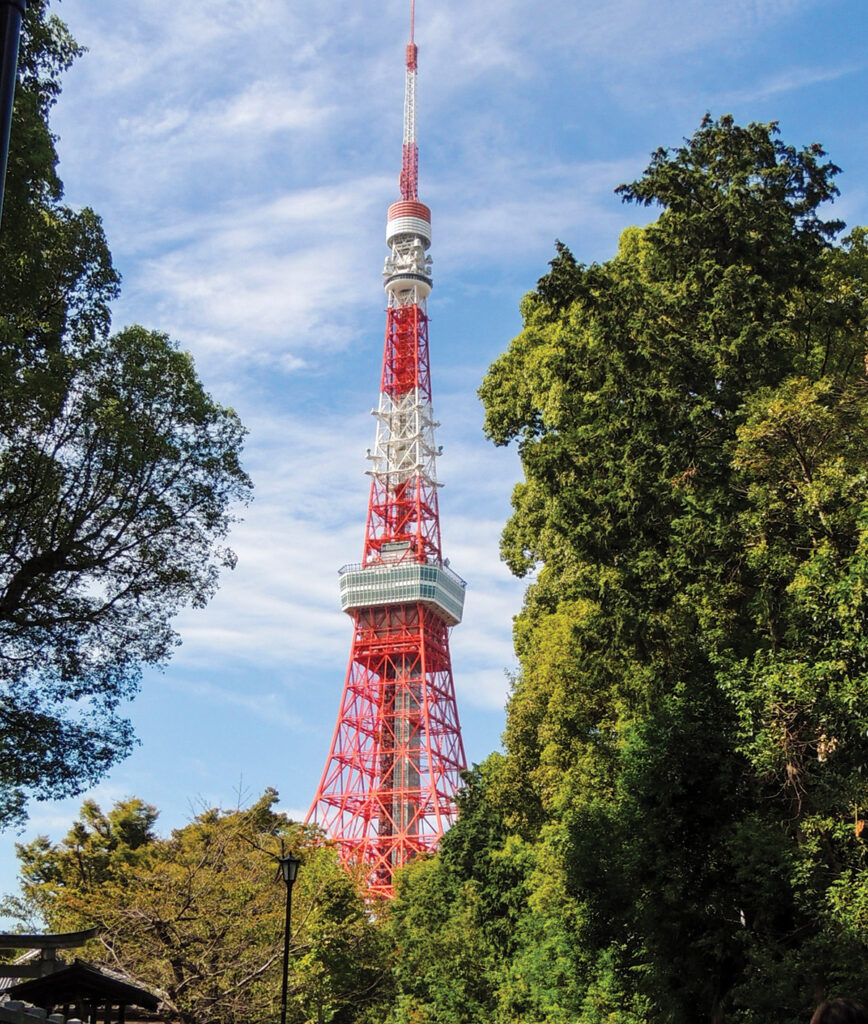
The Seneys spent three days in the city, but they say someone could easily spend a week enjoying it. As an admirer of history and architecture, Bill speaks to the fascinating mix of old world meets new world; the east meets the west. They went up 330 metres in Tokyo Tower, a magnificent modern structure and looking down right beside it noticed the ancient Senso-ji Temple. This was common in the other cities they visited on their trip as well. They took any chance to see Tokyo from above, including going to the free observation deck at the Tokyo Metro Government Building which has a spectacular view at night. Most of the city you need to see from up top, Bill says. “You really need to see a city of 37 million people from the sky.”
Pam had planned their tour to a T and got them to all the must-sees, like Takeshita Dori Street, where she says showcased crazy clothes and sweets like they’ve never seen before with cotton candy that was a foot and a half high. Next was Shibuya Scramble Crossing. “If you’ve seen a movie set in Tokyo, then you’ve seen this,” Pam says. “There are upwards of 1,000 people crossing at any given time and yet, everyone is so polite and will move over for you. There was no pushing, shoving; just so simple and courteous. We kept crossing back and forth just to see how easy it was!” The two admired this intersection so much that one day they sat in the Starbucks on the third floor with a view of the crossing just to watch the never-ending crossing of people.
She planned their whole day to arrive on time at Omoide Yokocho for dinner—a tiny area nicknamed “Piss Alley”. It’s popular with both tourists and locals alike and started up in the 1940s as illegal drinking quarters. “There’s one little restaurant by another where 10-15 people could sit inside and they cook on little skewers over what looks like a rectangular flowerpot, it’s so small,” Bill recounts where they ate. “But in the 1940s, this was the place for cheap drinks and cabaret hostess bars and due to the lack of space for restrooms, patrons would relieve themselves in the train tracks which is how it got its charming nickname.”
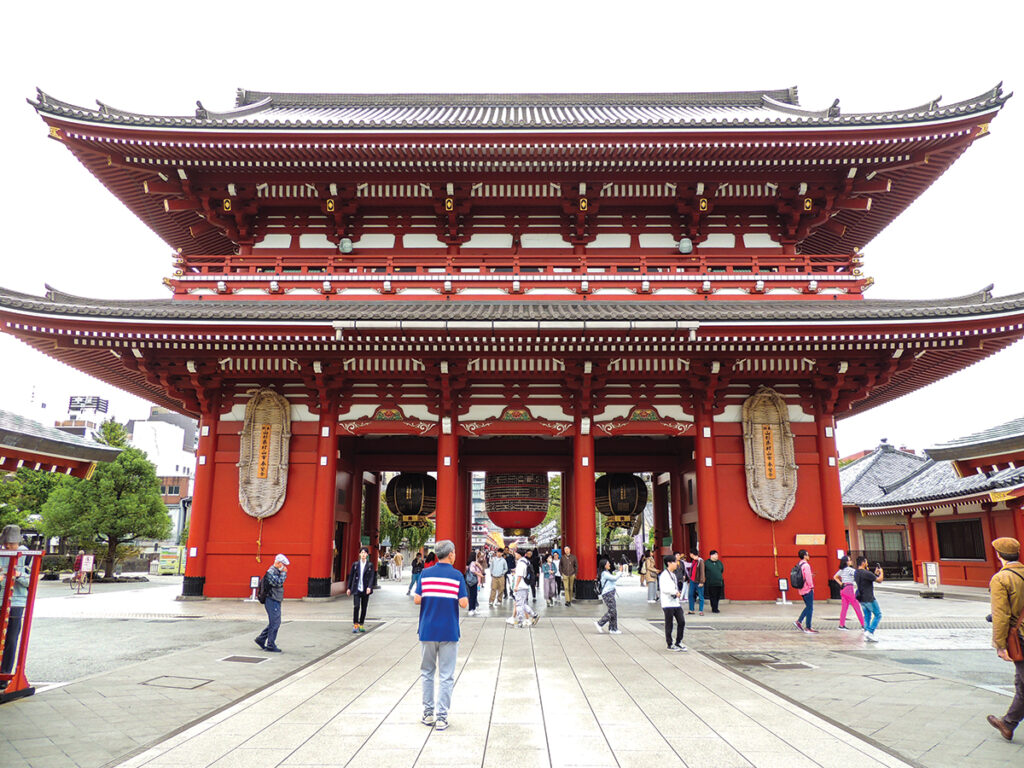
It’s true what is shown in videos—Tokyo is a city of advanced technology and so much of the flavour of the experience comes with the efficiency of their automation. “We need to talk about the toilets,” Pam says about their tiny, yet state of the art hotel room. “There’s a computer on the side of you which can give you anything you want. Do you want the seat heated? Cooled? A front wash? Back wash? It can do it all,” Bill laughs.
Although they could continue talking about the wonders of this city, their trip wasn’t solely based around Tokyo. Next, they boarded the Diamond Princess ship for a cruise where they visited many port cities that were just as stocked with efficient transit systems, friendly people and a gorgeous blend of ancient and modern architecture.
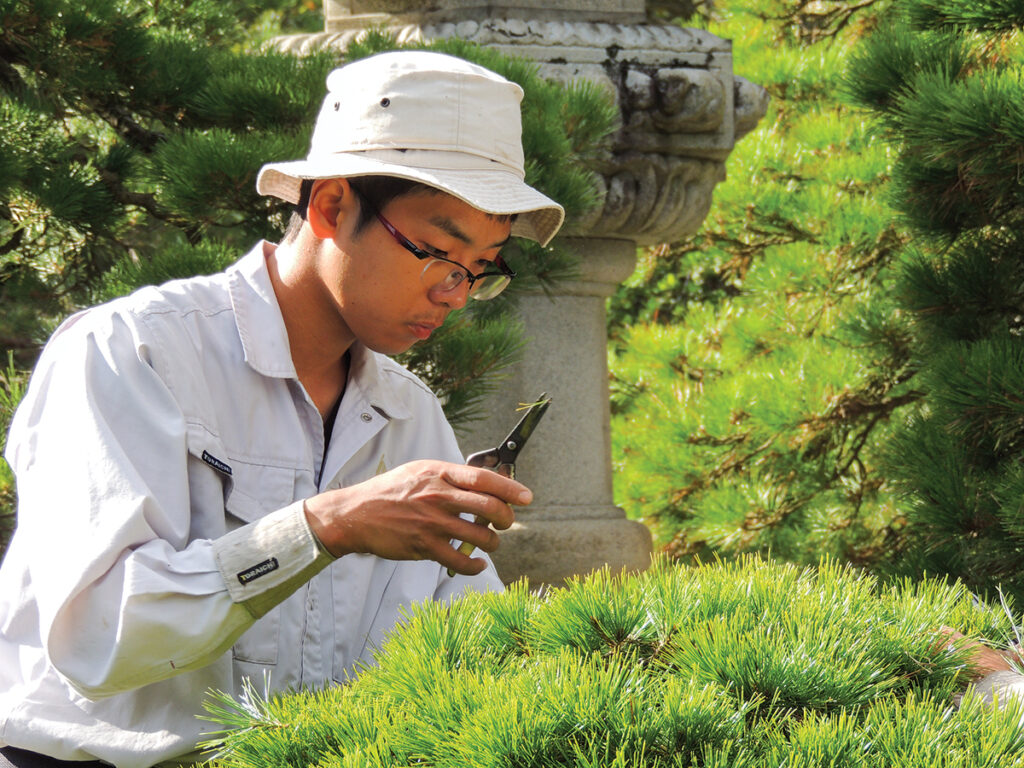
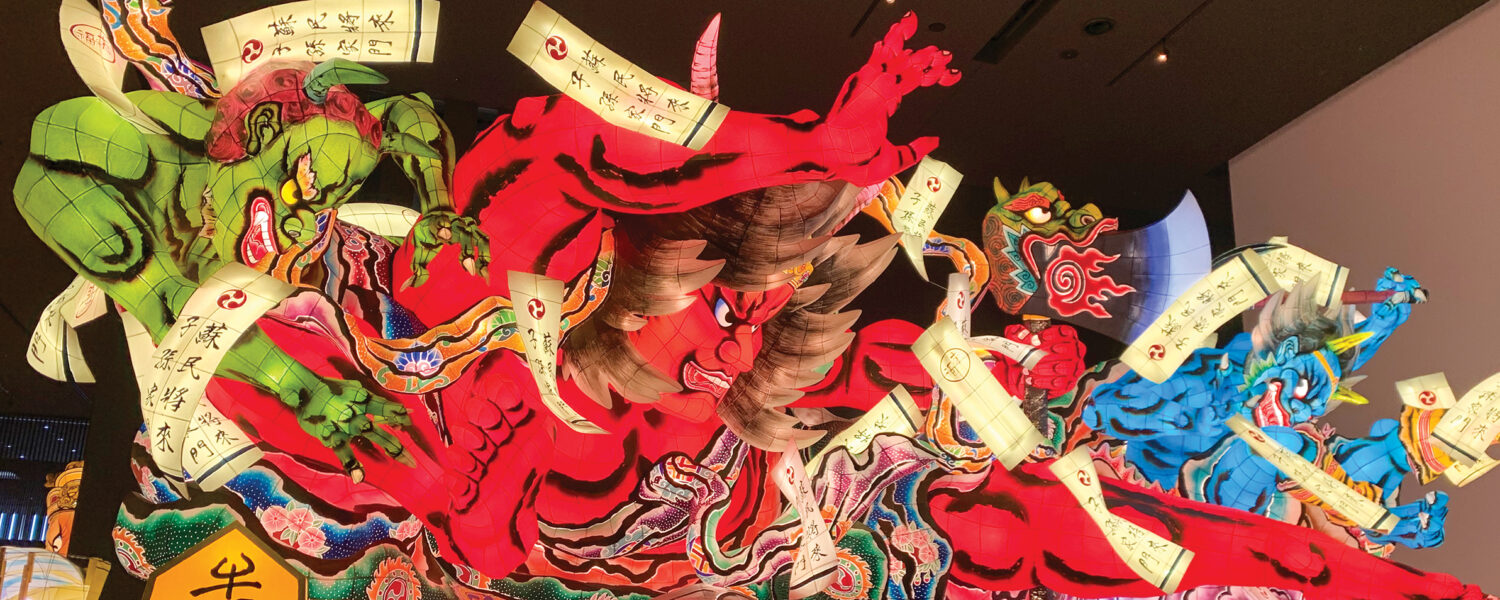
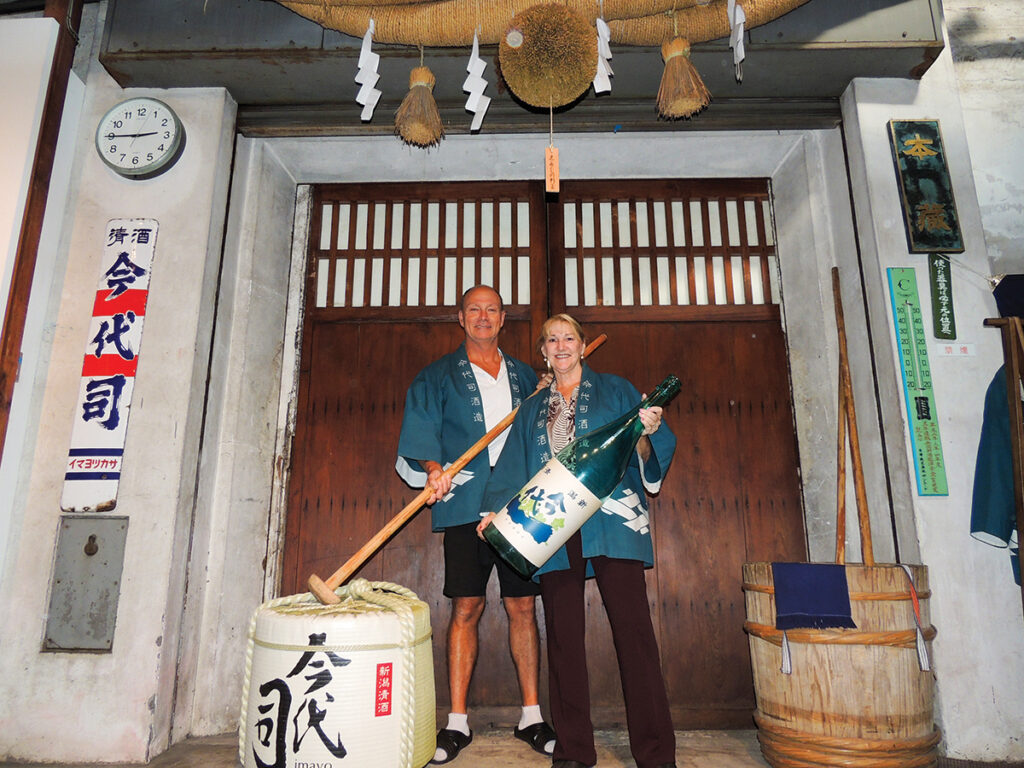
They sailed around the entire mainland of Japan and their next stop after Tokyo was Aomori, a beautiful beachfront city known for its apples and Buddha Summer Festival featuring humongous floats with stunning artwork done on them. After that, they visited Niigata with its beautiful parks and Saki factory that still brews in the ancient way in bamboo and cedar tanks. Tsuruga was a mini cultural experience of its own where they learned how to fold origami and write with Shodo calligraphy. Sakaiminato is where Pam and Bill witnessed the meticulous and organized way that the gardeners tended to the grounds at the Adachi Museum; the two called it a work of art with
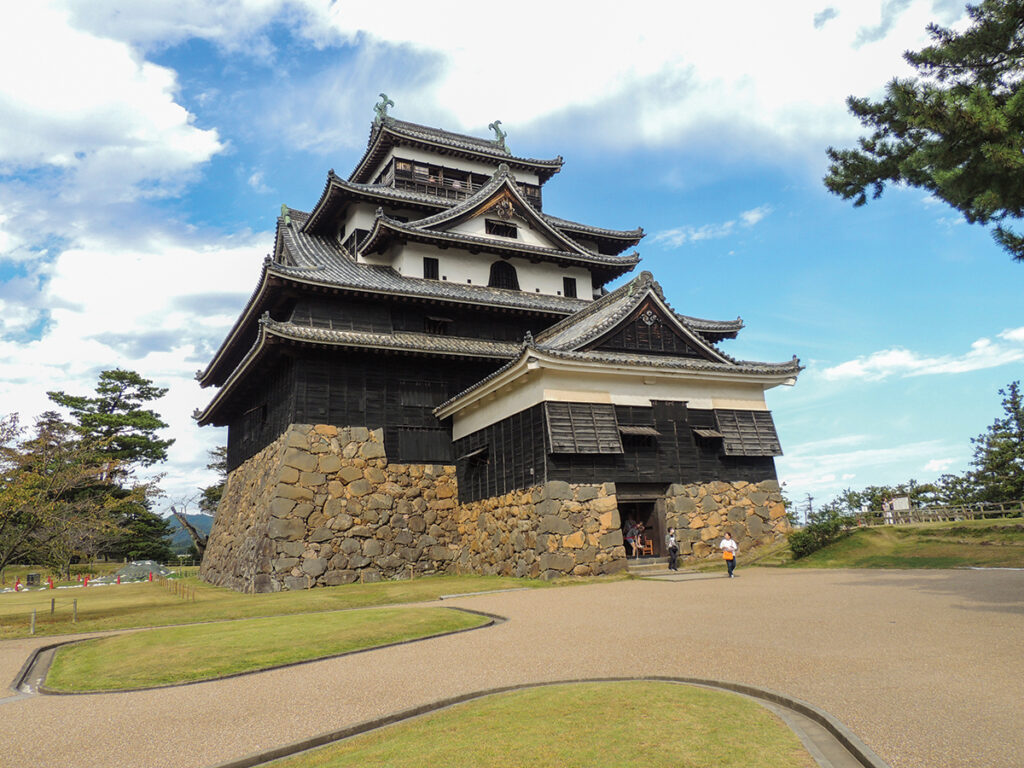
everything trimmed to perfection. This is also where they experienced a boat ride unlike any other along the Horikawa River. It is standard in Japan to see a mixture of floor seating and chairs, so sitting on the floor of the boat wasn’t a surprise. However, it became more of a physical demand when passengers were asked to lay down to duck every time they went under a bridge because the boat’s awning would come right down onto them. Still, the sightseeing through the canals was worth the abdominal workout. Aside from that excursion, they visited Matsue Castle and were excited to see the Samurai in the area as the descendants of the Shogan ruled over the area.
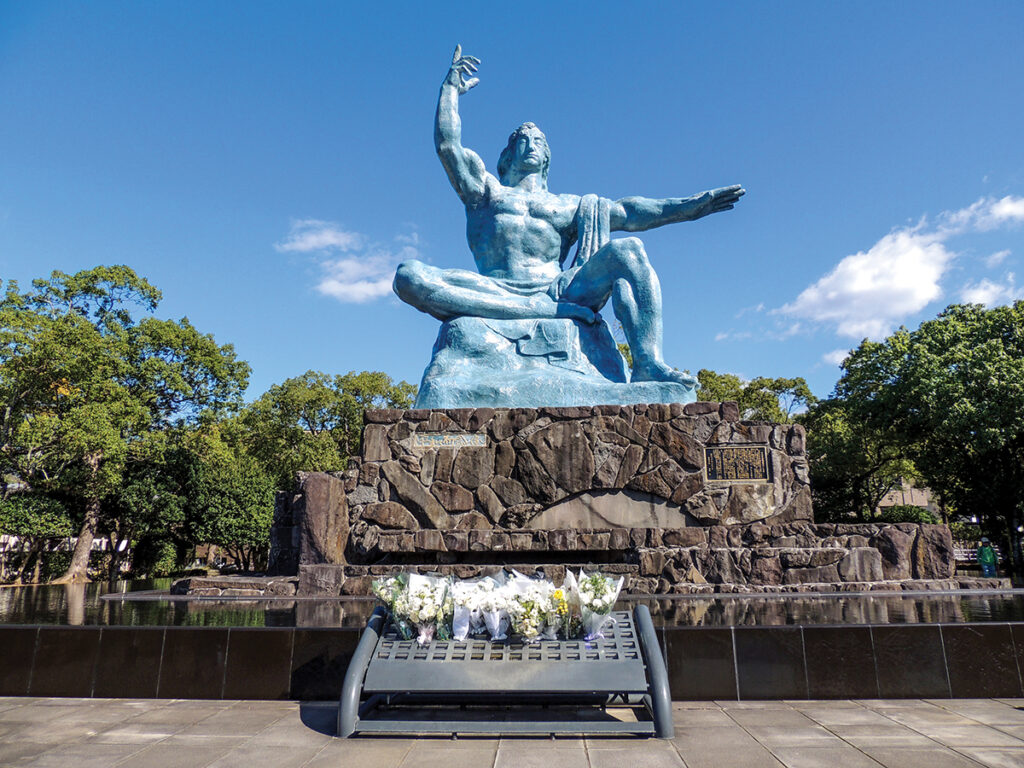
Their final stop was in Nagasaki. This was one of the main reasons Pam and Bill felt called to go to Japan. On arrival they went right down to ground zero and say it was most important to go to Peace Park where the atomic bomb was dropped. Now the space holds a monument with the Peace Statue, erected in 1955. “It’s something to see. You have a whole mixture of emotions when you walk through a place like that,” Bill says. “There is the grief from the number of deaths but also you feel the resilience of the human spirit coming back.”
It was an all-encompassing trip for Pam and Bill, one that they say never felt rushed. They didn’t feel the crowds, there was no running to catch a train, no yelling, and any potential stress was relieved by the efficient modes of transportation and navigation all around Japan. They took all the scenery in at a beautiful, casual pace while seeing all that they’d hoped to. With visiting six of Japan’s modern, ancient cities and seeing it all from the water, the two say you really can’t do a better trip than this one.
Published in the Anniversary 2025 Edition.

Add comment