

From Stages to Plates,
Nav Sehmbi was Born to Entertain
Story by Jen Brignall-Strong
Photography by Syx Langemann
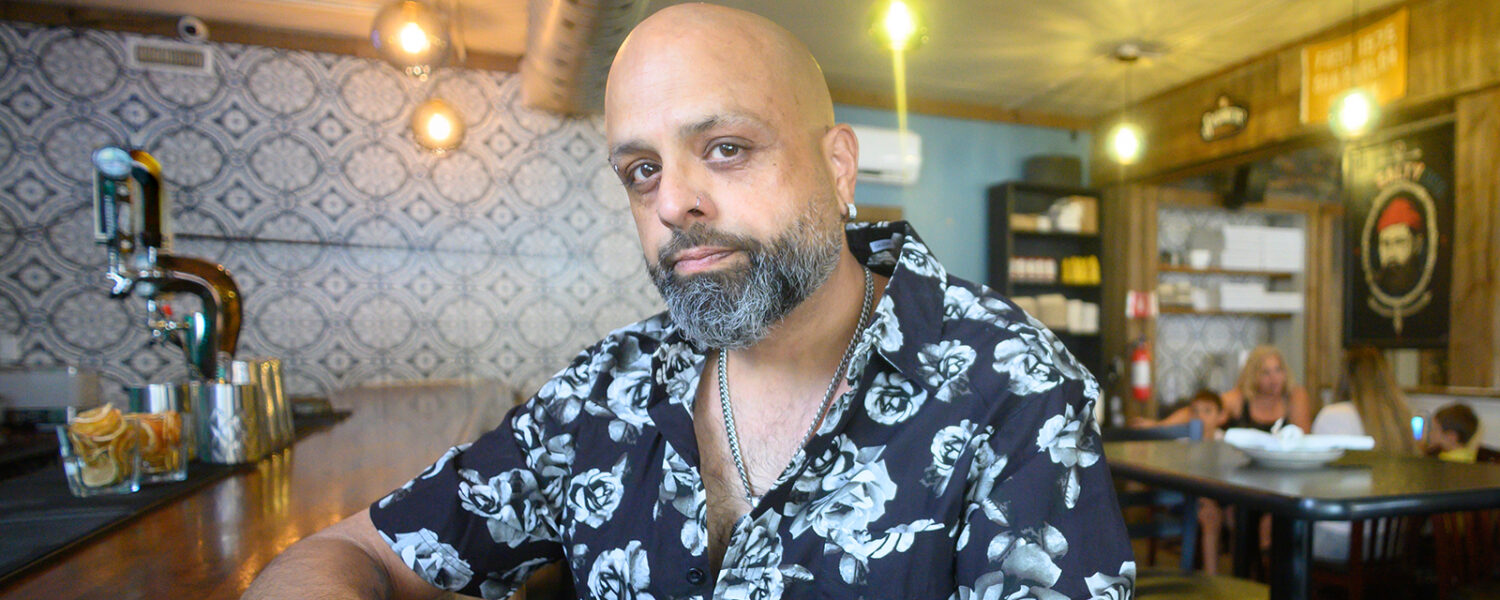
From singing in front of hundreds of people to plating meticulously crafted dishes during the controlled chaos of a dinner rush at The Salty Dog in Amherstburg, Chef Nav Sehmbi was born to perform.
The stage may have changed, but the show hasn’t.
In the kitchen, Sehmbi moves with the confidence of a seasoned frontman. As orders fly across the line, he orchestrates service with equal parts intensity, humour and heart. Every plate that leaves the kitchen passes as another performance.
For Sehmbi, entertaining has never been about the medium. Once, it was a microphone. Today, it’s a chef’s knife.
Whether he’s serenading an audience with a soulful R&B classic or introducing diners to a unique fusion dish, his goal remains the same: to captivate a crowd.
It’s a calling that has defined his entire life, even if the path that led him to the busy local kitchen was one that he never saw coming.
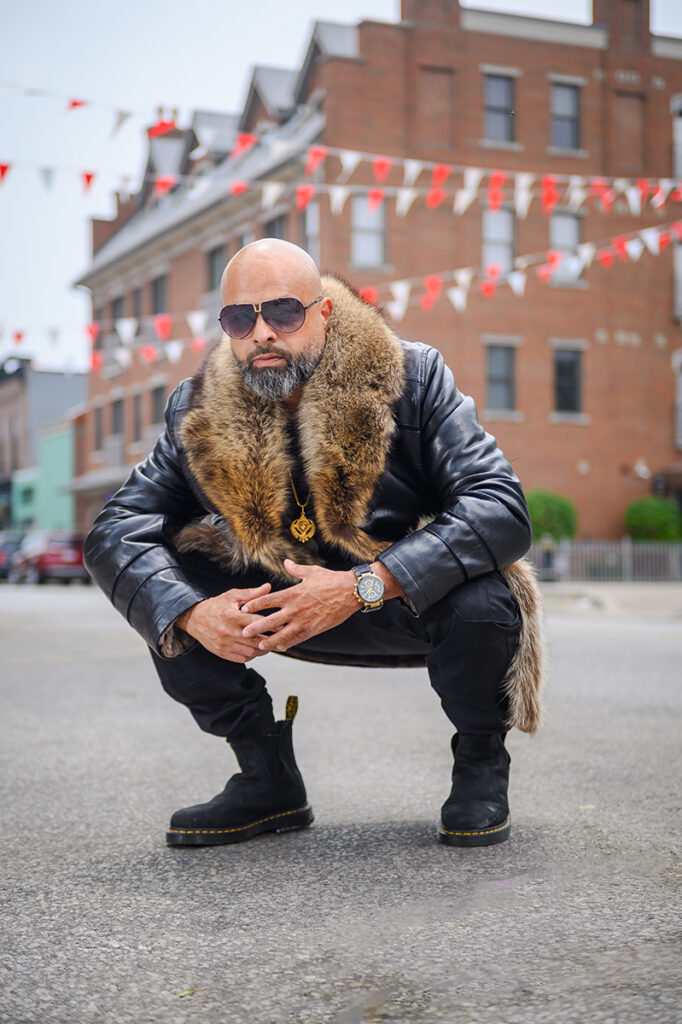
Music was his first passion. Not someone who simply loved to sing, but someone whose future seemed destined to revolve around it.
“I was always a singer; I was known for it since I was like 10 years old,” he says. “I started with my mom in our temple, but I was drawn to soul music and R&B music at a very early age.”
His involvement in musical theatre at Walkerville Collegiate eventually led him to Humber College’s prestigious School of Jazz, an extraordinary accomplishment for someone who couldn’t read sheet music but possessed undeniable natural talent.
Encouraged by his teachers, Sehmbi soon found himself performing alongside accomplished musicians, writing original material and, at 23, he was given a development deal by Sony.
His career appeared to be taking off, but the industry wanted to market him as someone he wasn’t, and Sehmbi refused to sacrifice authenticity for commercial success.
“They were like, ‘You’re not Usher. We have to start you in either a teeny-bopper band or you’re going to be a pop artist because nobody in this field is going to look at your face and go, “This guy’s an R&B singer.”’”
“The thing about music, it’s the same as food,” he continues. “If you’re not 100 per cent into it, it’s not going to come out. I just couldn’t do it.”
So he walked away.
After returning to independent music in Toronto, another opportunity arrived overseas. Producers in England embraced his unique ability to blend Western R&B with his Indian heritage, and he began recording an album that finally felt like his own.
Then, at 29, everything changed. Only days after a performance in Windsor, Sehmbi began coughing up blood. After months of uncertainty and misdiagnoses, doctors discovered Hodgkin lymphoma.
The cancer sat above his lungs. Treatment forced him off the stage just as his career was finding its footing.
But Sehmbi doesn’t see that chapter as an ending. He sees it as the beginning of his second act.
Even during treatment, music refused to let him go. He contributed vocals to the international hit Shera Di Kaum featuring Ludacris for the Canadian hockey film Breakaway, and later recorded another song for Dr. Cabbie. They were exciting moments, but they also marked the closing chapter of the dream he’d spent his life pursuing.
With treatment complete and his record indefinitely shelved, Sehmbi was left asking himself one question: What’s next?
The answer came in the form of a beloved pastime he enjoyed while performing years earlier in Toronto.
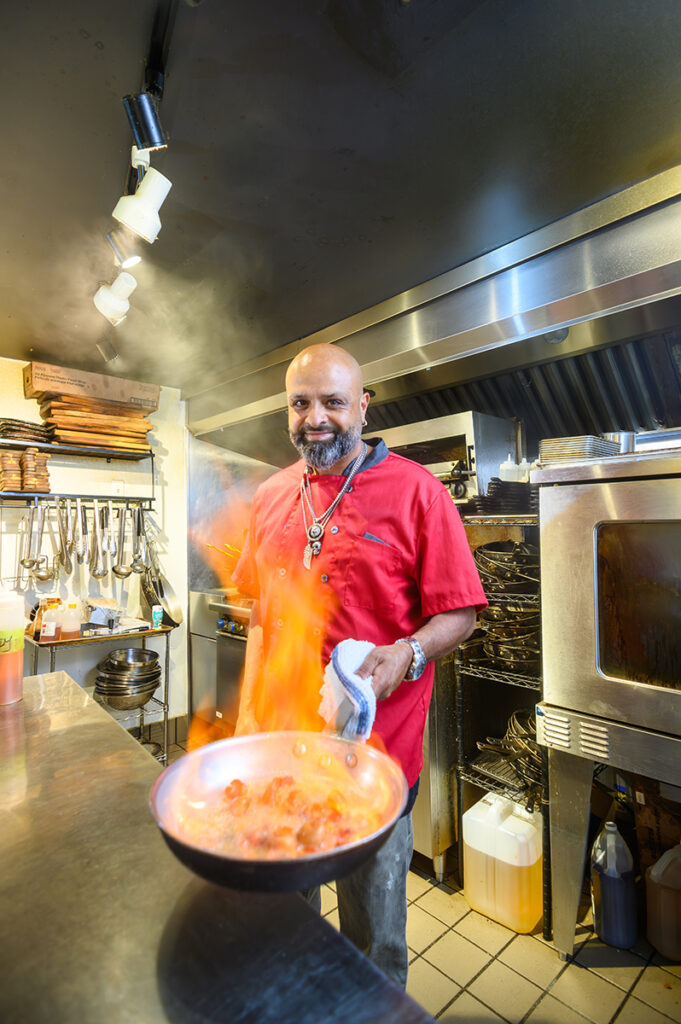
Before every show, band members would gather at his apartment. While other musicians ordered takeout, Sehmbi cooked.
Inspired by television chefs Emeril Lagasse and Bobby Flay, he’d call his parents for recipes, experiment with flavours and prepare meals before rehearsals. Cooking was simply another way of bringing people together.
“I always wanted to bring music and food into people’s homes,” he says. “These two things just naturally go together in my mind.”
That philosophy became a catering business built around creating experiences as much as meals.
Then came one opportunity after another: winning local competitions, selling out farmers’ markets, appearing on The Food Network’s Dinner Party Wars and collaborating with local wineries.
The unexpected chef…although he’s still not quite comfortable with the title.
“I never call myself chef,” he says. “I just feel like I’m a person who loves food.”
Today, Sehmbi approaches cooking the same way he approached music: pushing boundaries and creating combinations people haven’t experienced before.
Whether it is Indian spices layered into Southern comfort food, Argentinian influences finding their way into barbecue, or Asian flavours transforming familiar dishes, his menu reflects the same range that once defined his concerts.
“I try to show range,” he says. “I want to push the limits.”
That creative freedom has flourished at The Salty Dog, where ownership has trusted him to experiment, evolve and make the kitchen his own.
It’s also where another side of Sehmbi has emerged: mentor.
Walk into his kitchen and you’ll quickly discover his staff doesn’t simply work for him; they adore him. Many call him “dad”. Former employees regularly return simply because they miss working alongside him.
“There’s no me without them,” he says. “I want them to know this is their work and they should be proud of it.”
That sense of gratitude extends well beyond the kitchen.
While proud of what he’s built, Sehmbi is quick to credit the people who helped shape him, from his parents and teachers to fellow chefs, restaurateurs, musicians and lifelong friends.
“I’m so thankful for my parents’ love and support,” he says, adding that he wouldn’t be where he is today without the countless people who believed in him along the way.
Looking back now, Sehmbi no longer sees cancer as the moment everything fell apart. He sees it as the unexpected detour that led him exactly where he belonged.
He still dreams about singing. In fact, he’s begun working with his former vocal teacher again, hoping to one day perform for the friends, colleagues and family members who have only heard stories about that chapter of his life.
But these days, he’s no longer chasing the career that was interrupted. He’s embracing the one that grew from it.
“I love to perform. This is me performing in a different way,” he says. “It’s me on a plate instead of me on a CD.”
For more exclusive content, go to

Published in the August/September 2026 Edition.

Add comment