

Travelling Back in Time with the Earliest Archivists
Story by Serafina Piasentin
Photography by Anita Liviero
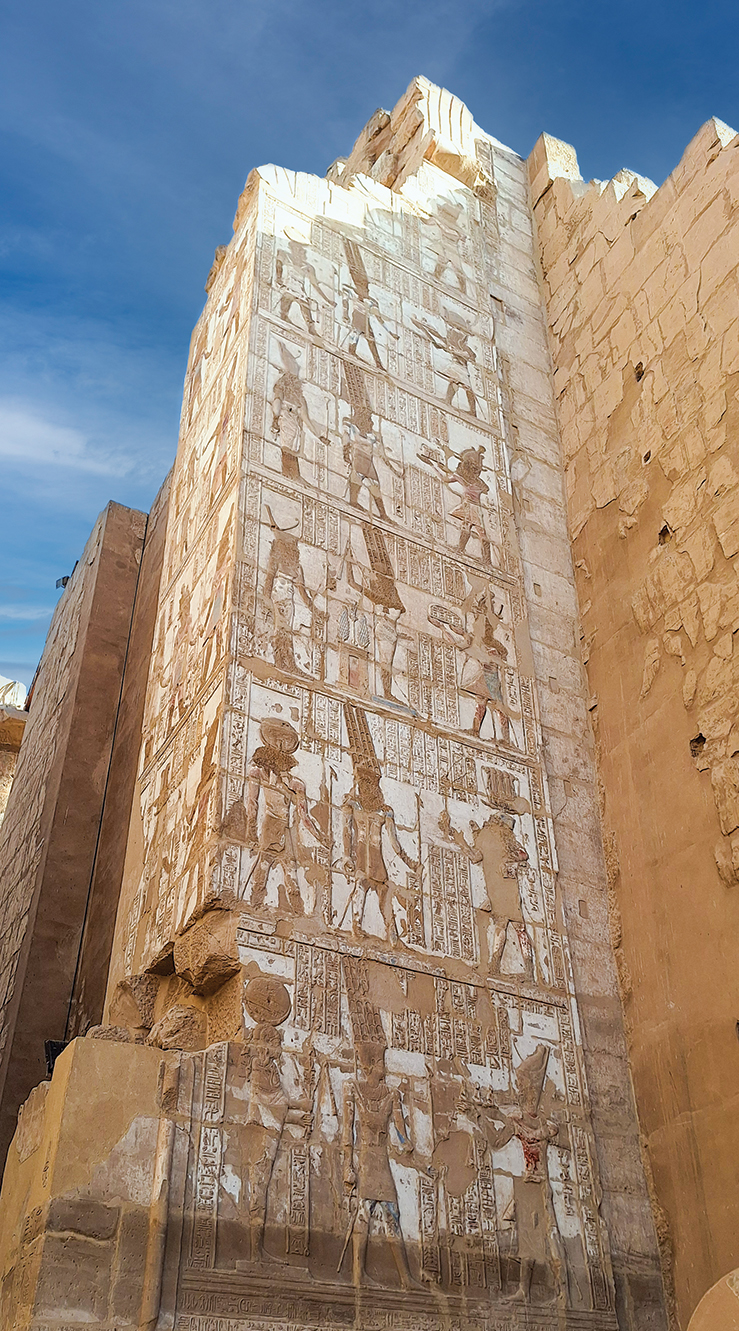
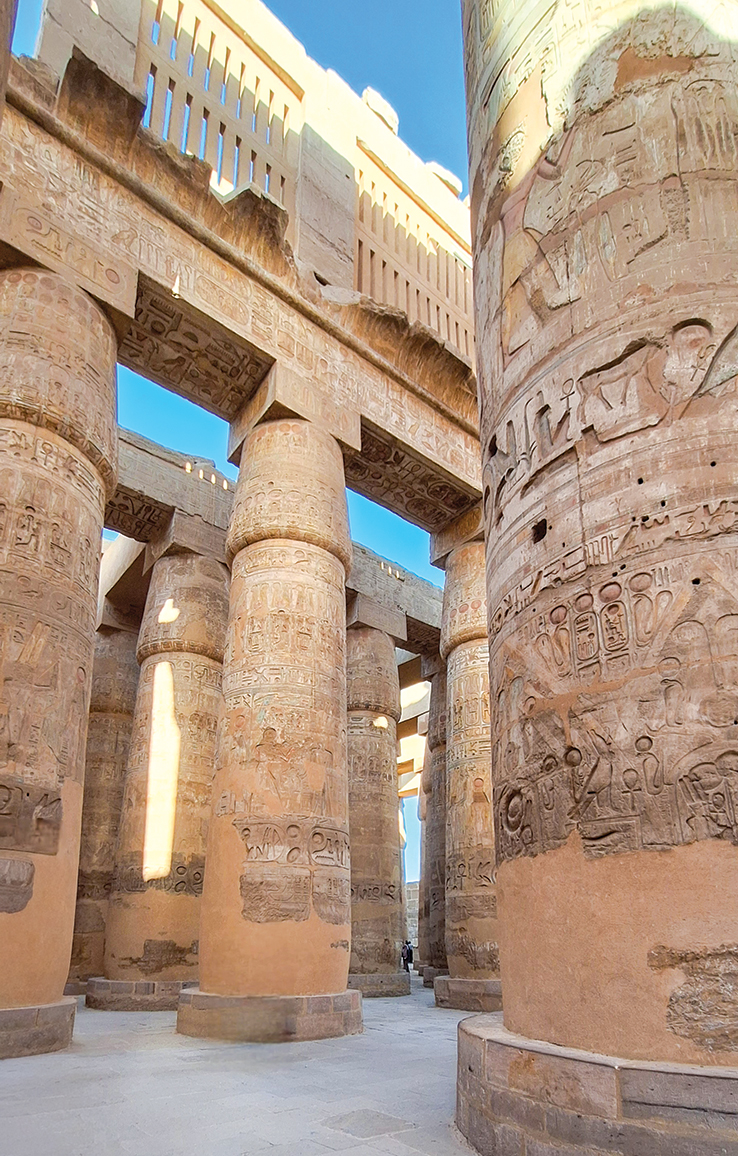
Is time passing you by quicker than you can document it? It is human nature to want a beautiful moment to last longer; so, we try to capture it through photos, videos, journal entries, postcards, or travel articles like the one you are currently reading. This desire to archive life is normal; in fact, it is a very old practice. The ancient Egyptians were some of earth’s earliest archivists, populating the world from 3150 BC to 31 BC. They carved hieroglyphs into stone monuments and temples, painted colourful symbols onto papyrus using reed pens and ink, and they did such a good job that these records still exist today for you to see. If you feel like your time (or your allotted vacation time) is dwindling, escape to Egypt and travel back in time to make and record some unforgettable memories.
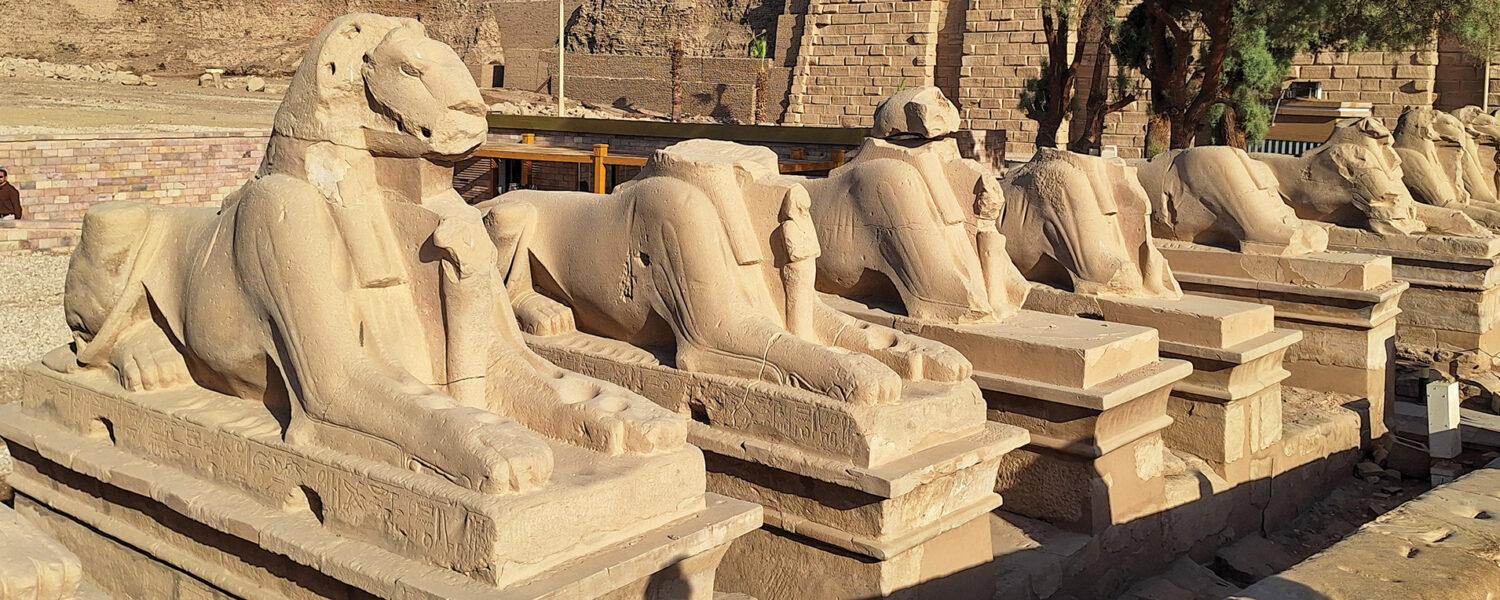
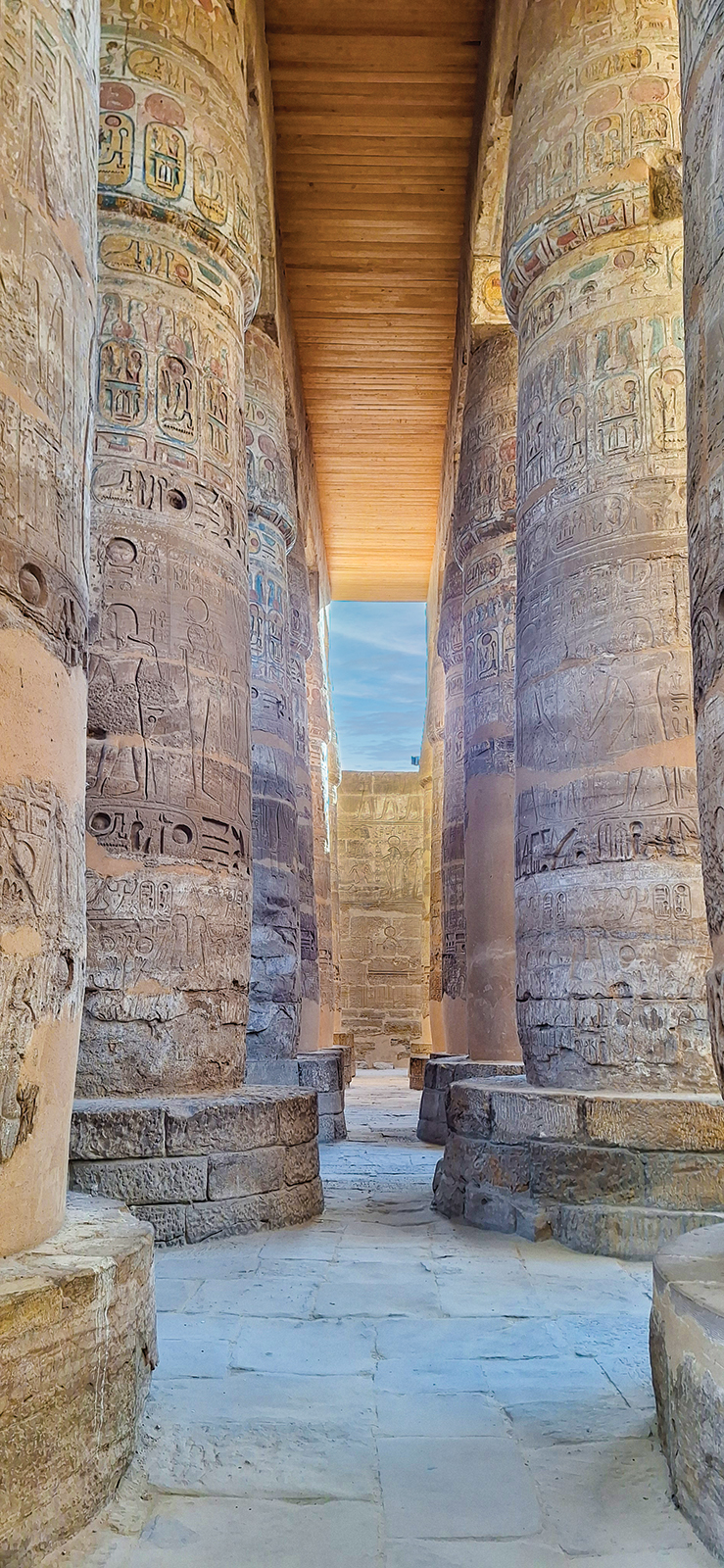
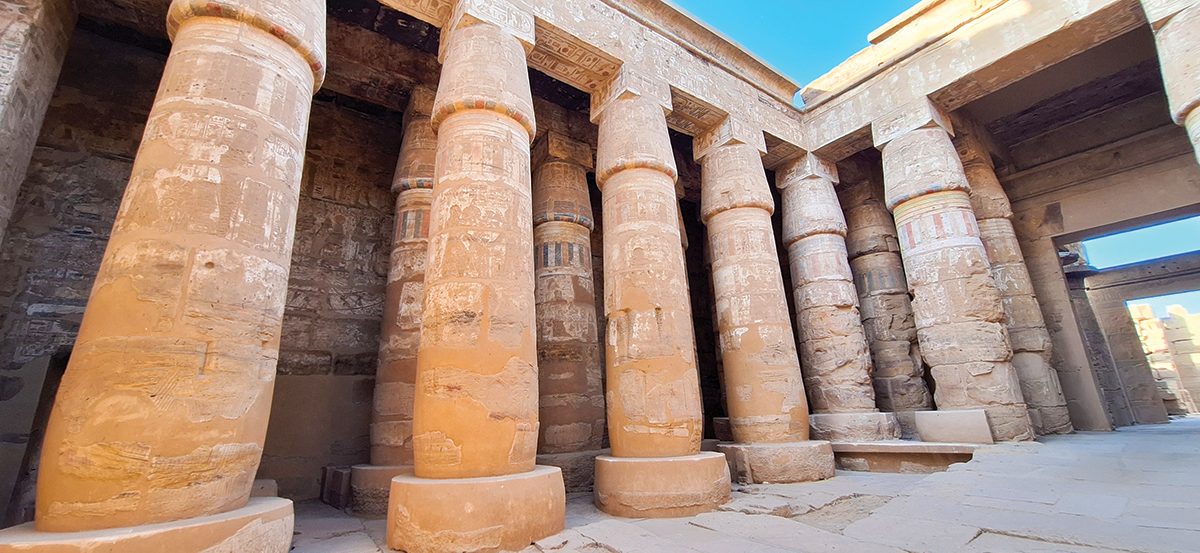
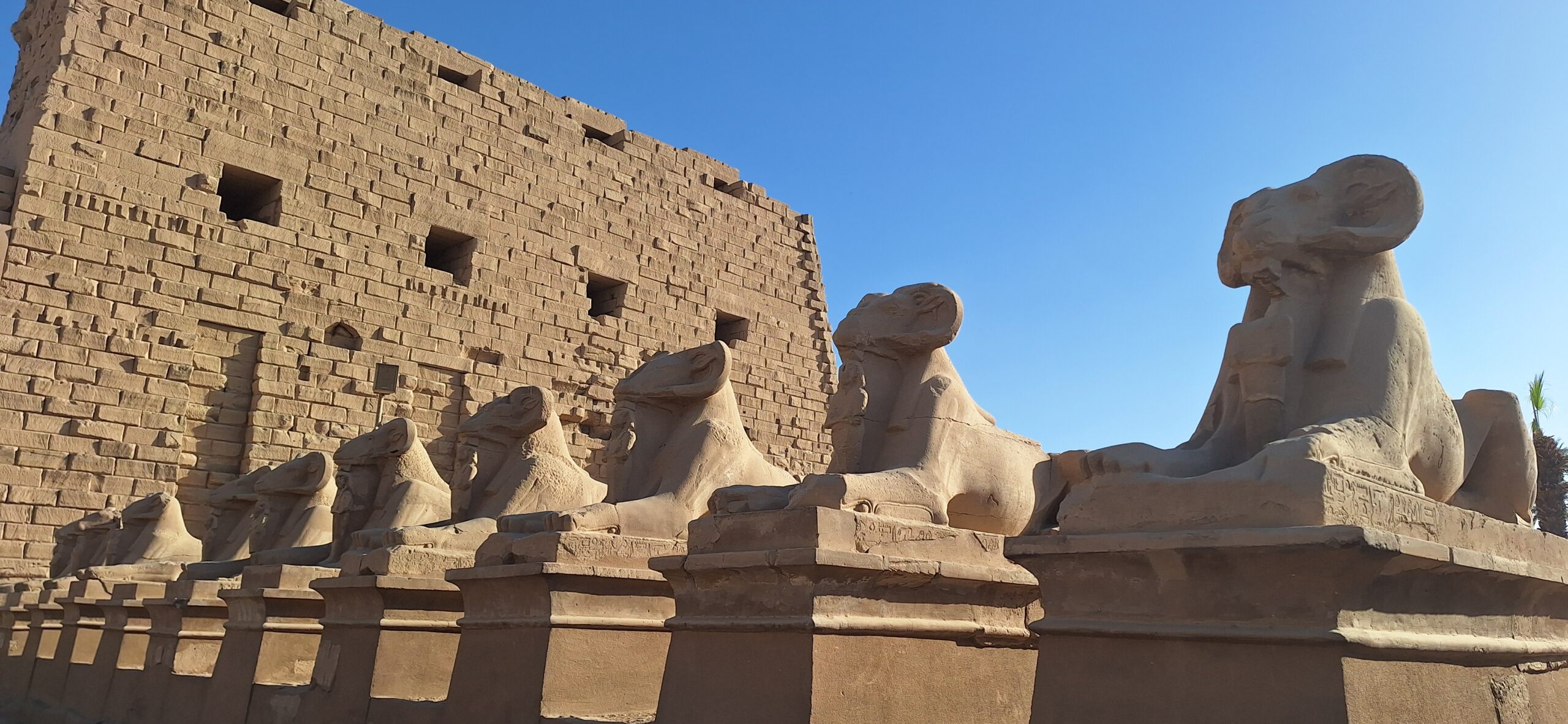
Luxor is a must-see city cleaved in half by the Nile River. It is known as the world’s greatest open-air museum due to its numerous temples on both halves. The first half is on the East Bank and is known as the City of the Living. The ancient Egyptians chose to build their palaces and places of worship here because the sun rises in the East. Here you will find the Karnak Temple which is dedicated to Aun-Ra. It is one of the more colourful temples and is steeped in history. For example, there is a stone tablet that shows a hieroglyphic counting system. The Karnak temple is connected to the Luxor Temple by the Avenue of Sphinxes, which is a 2.7-kilometer-long processional road lined with stone sphinxes with human or ram heads. Though they are smaller than the Great Sphinx in Cairo, they are just as impressive a sight. During an ancient ceremony, called the Opet Festival, priests would carry statues of their deities between the two temples to celebrate the divine and ask for blessings. This Avenue was eventually buried under sand, but after decades of excavation, it opened to the public in 2021.
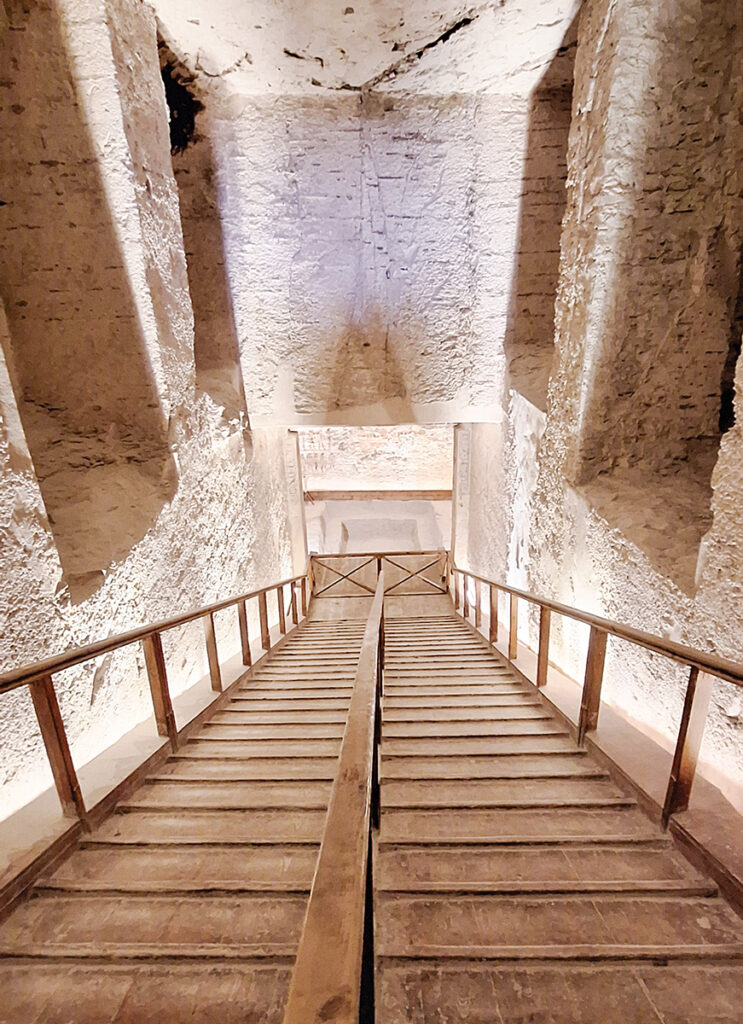
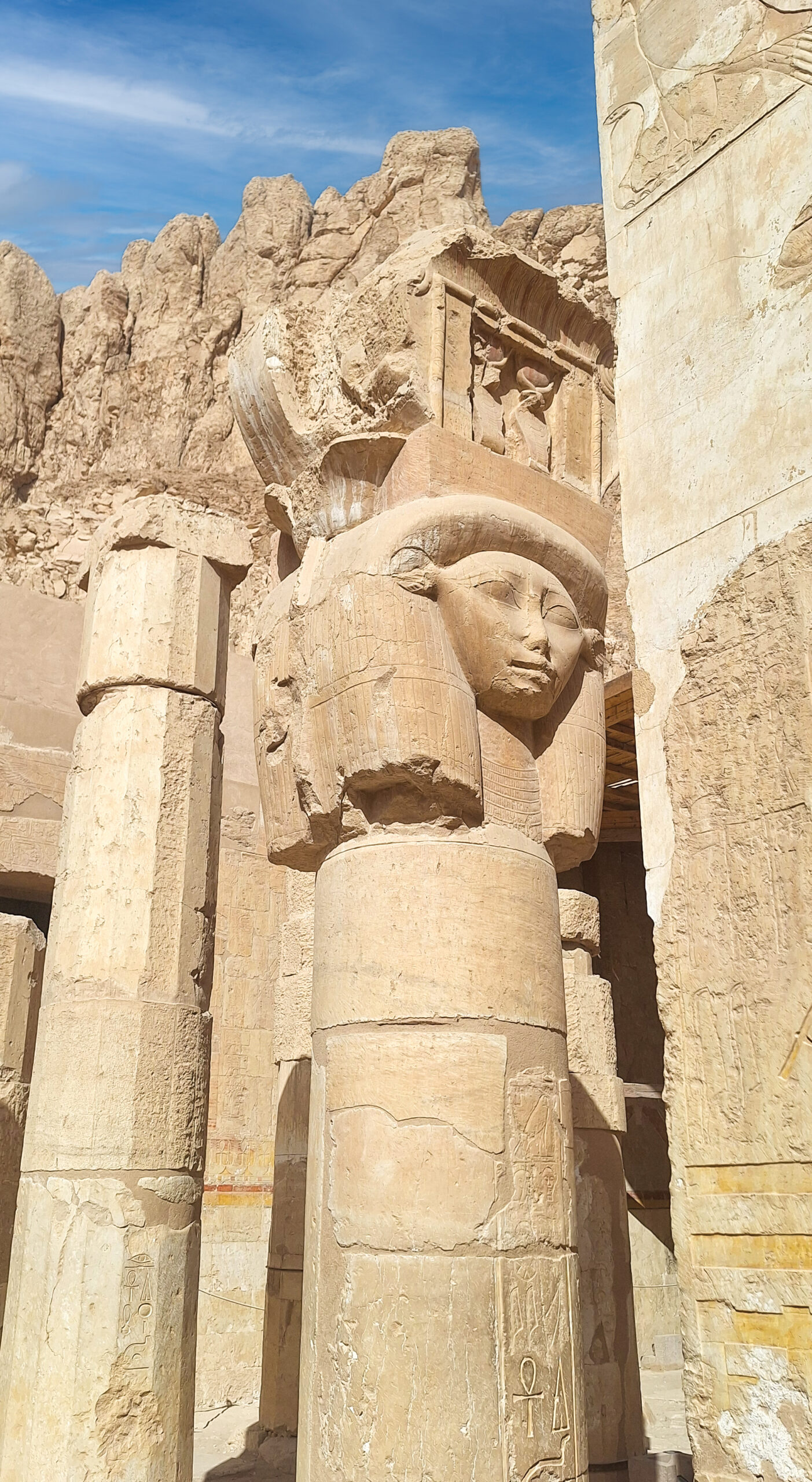
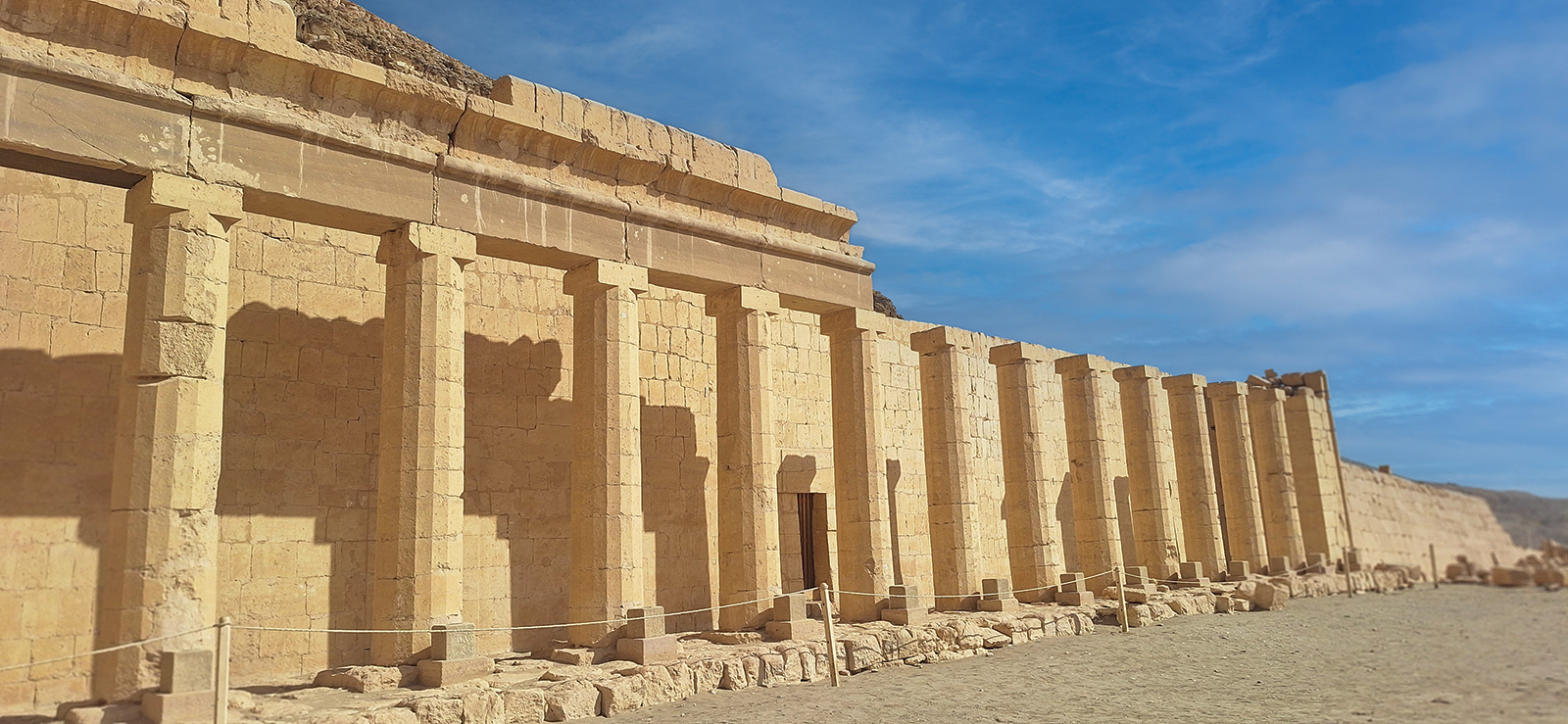
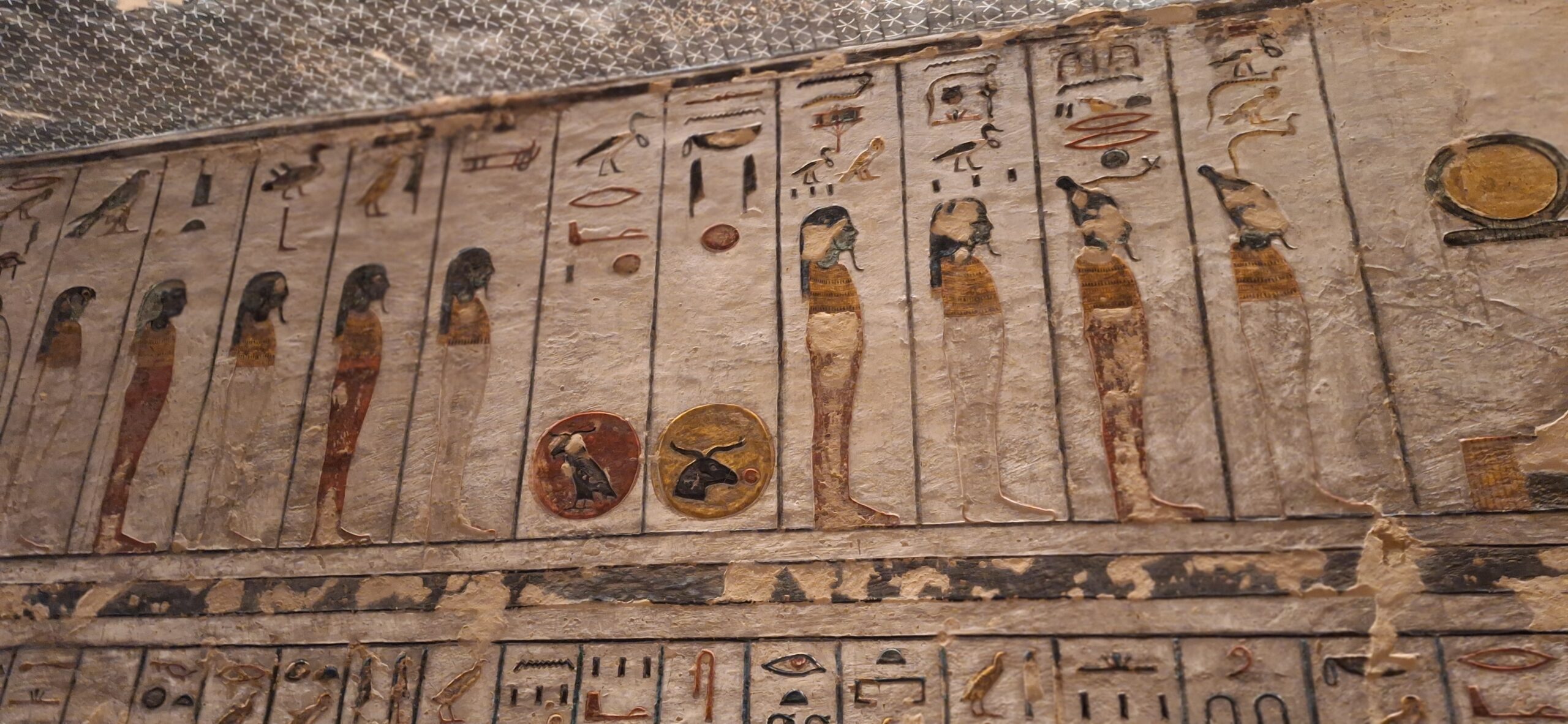
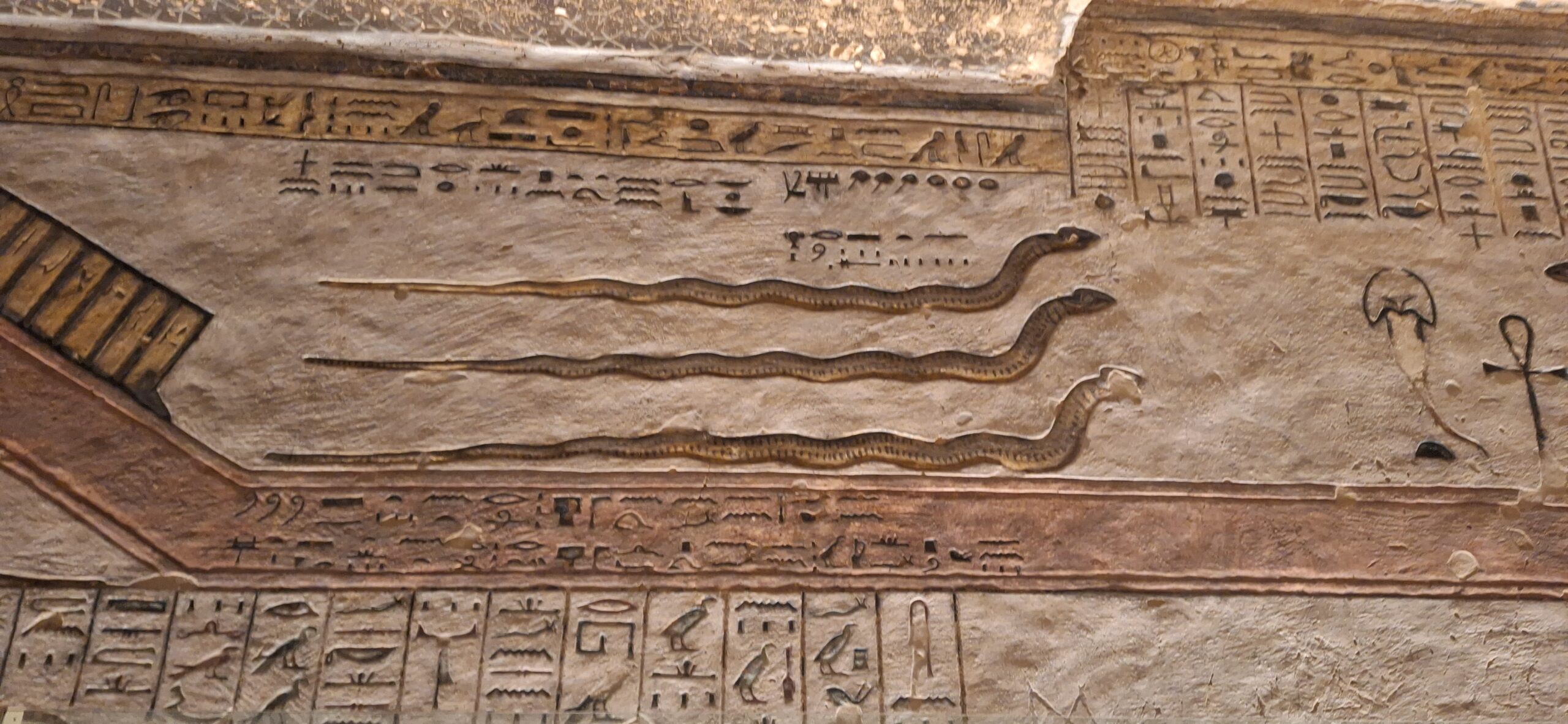
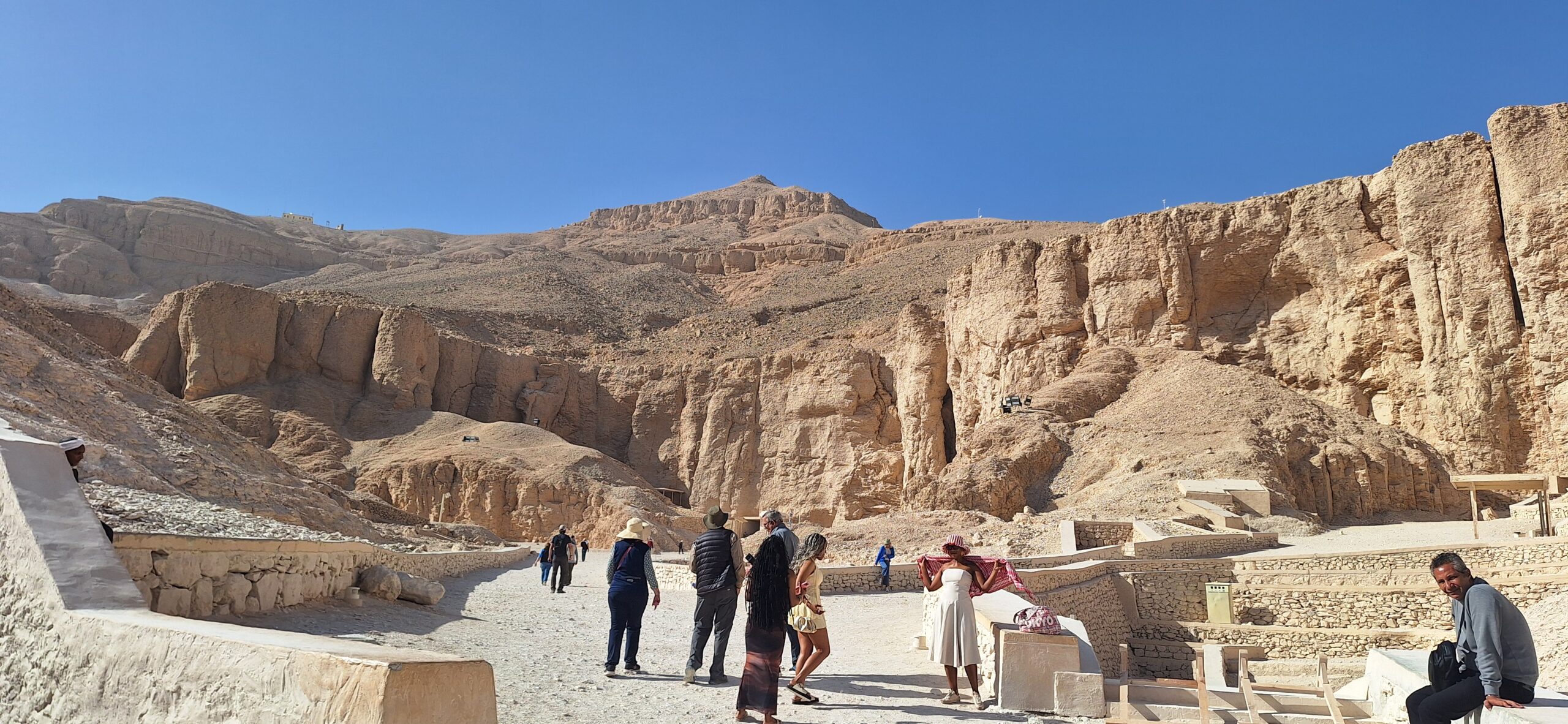
On the other side is the West Bank or the City of the Dead. Here, where the sun sets, the pharaohs built their burial temples and tombs, such as the Valley of the Kings. This location served as the final resting place for nobles, containing over 60 underground tombs deep beneath the limestone Theban Hills. Since these alcoves do not see the sun, the hieroglyphs are well-preserved, flaunting vibrant colours. Of course, this is in sharp contrast to the gloomy lighting, chilly atmosphere and the mummified remains of pharaohs. If you don’t get squeamish or claustrophobic, it is worth descending into King Tutankhamun’s tomb to see his mummy. Be advised that a standard admission ticket will grant you access to three open tombs, but to see King Tut and other famous pharaohs, you must purchase an additional ticket. Make sure to also visit the Temple of Hatshepsut. Queen Hatshepsut was one of Egypt’s most successful female Pharaohs. However, when she died, there was an attempt to erase her from the archives by destroying her statues. Despite this injustice, the obelisk built in her honour remains taller than all other pillars still standing in Egypt, ensuring that her memory lives on despite the ruthless passage of time. The city of Luxor’s hieroglyphics and temples serve as an important reminder to remember history and to record your own. If you are looking to create those bucket-list memories, take a leisurely cruise along the Nile River or soar above the West Bank in a hot-air balloon for a sweeping view of the Valley of the Kings. It is recommended to book the sunrise hot-air balloon tour. Even though you must wake up at 3 am, it is worth it to see the sun rising from your vantage point above the horizon. You will also get to see the balloons inflate.
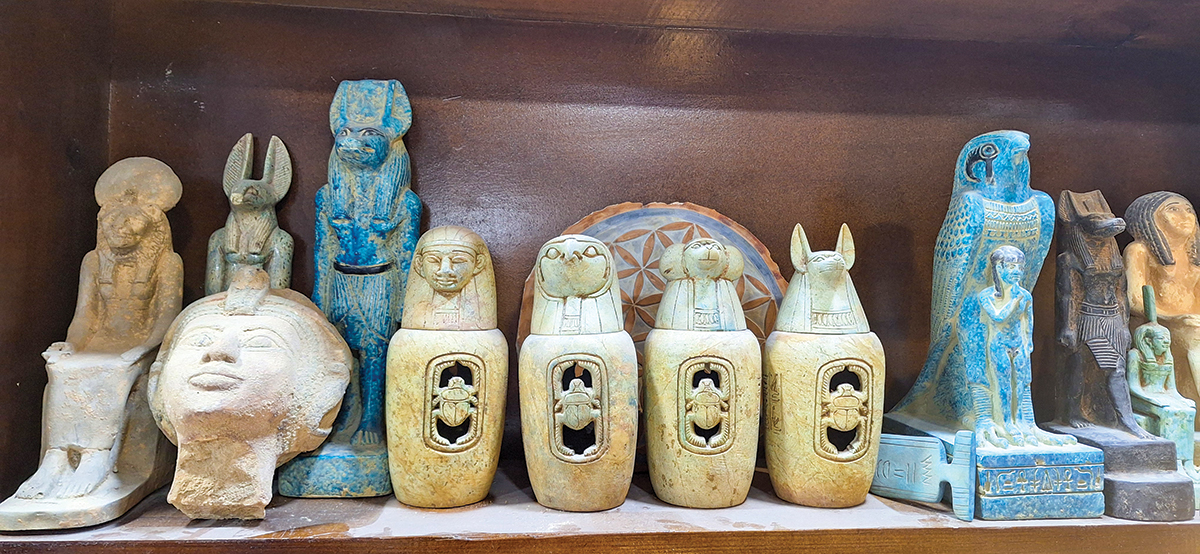
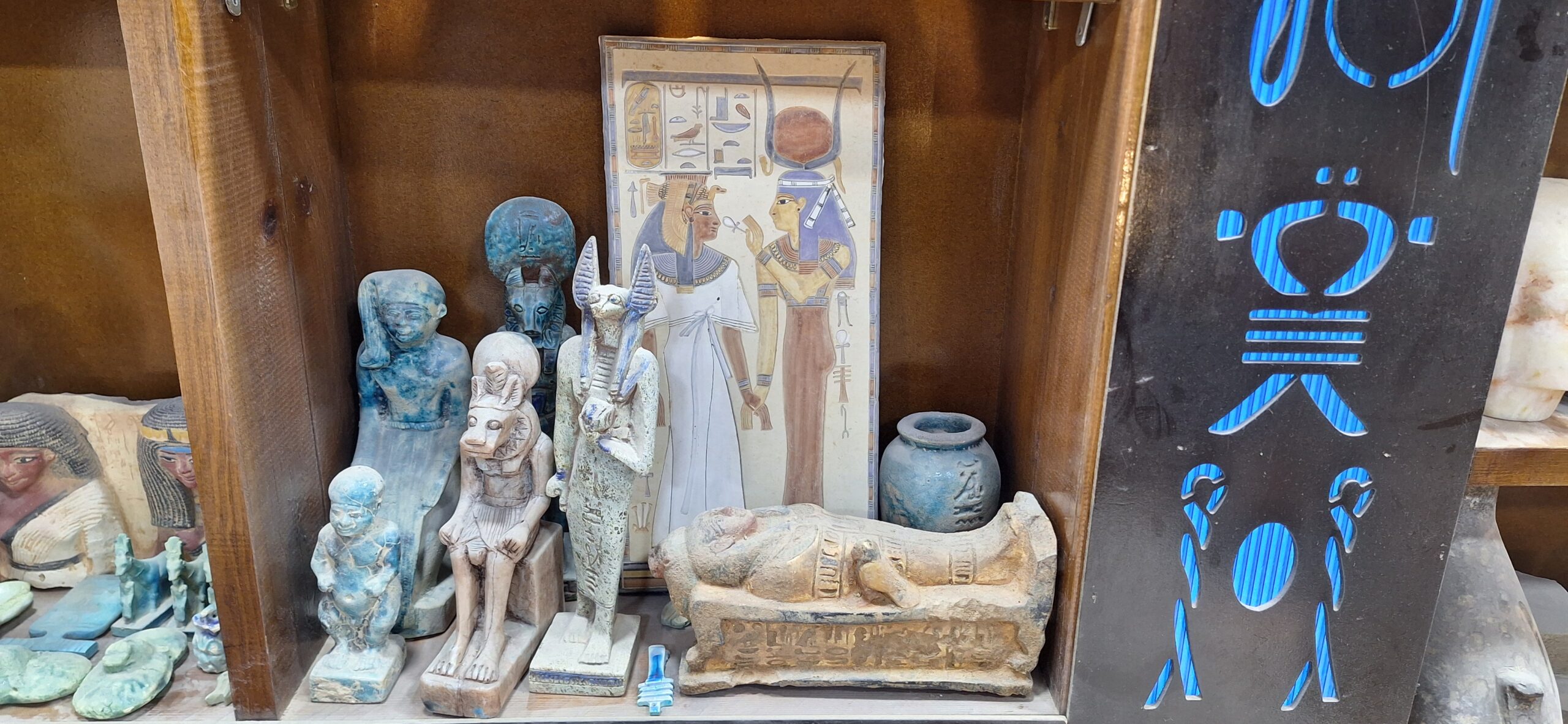
Further immerse yourself in Egyptian culture by visiting Hurghada, the fishing village turned resort town. Located on the Red Sea coast, this city combines history with luxury. It is the perfect place if you are looking for a beach vacation but also want to visit archaeological sites. Split your time between shopping and exploring. The bazaars of el Dahar and Sekalla High Street are a gold mine for tea, spices and other local goods. Make sure to prepare yourself for bargaining! If you’re looking for more international brands, the New Marina is the place to go. Purchase trinkets and memorabilia to remind you of your time in Egypt; postcards are a cheap souvenir which you can scrapbook to create your own personal archive of your travels.
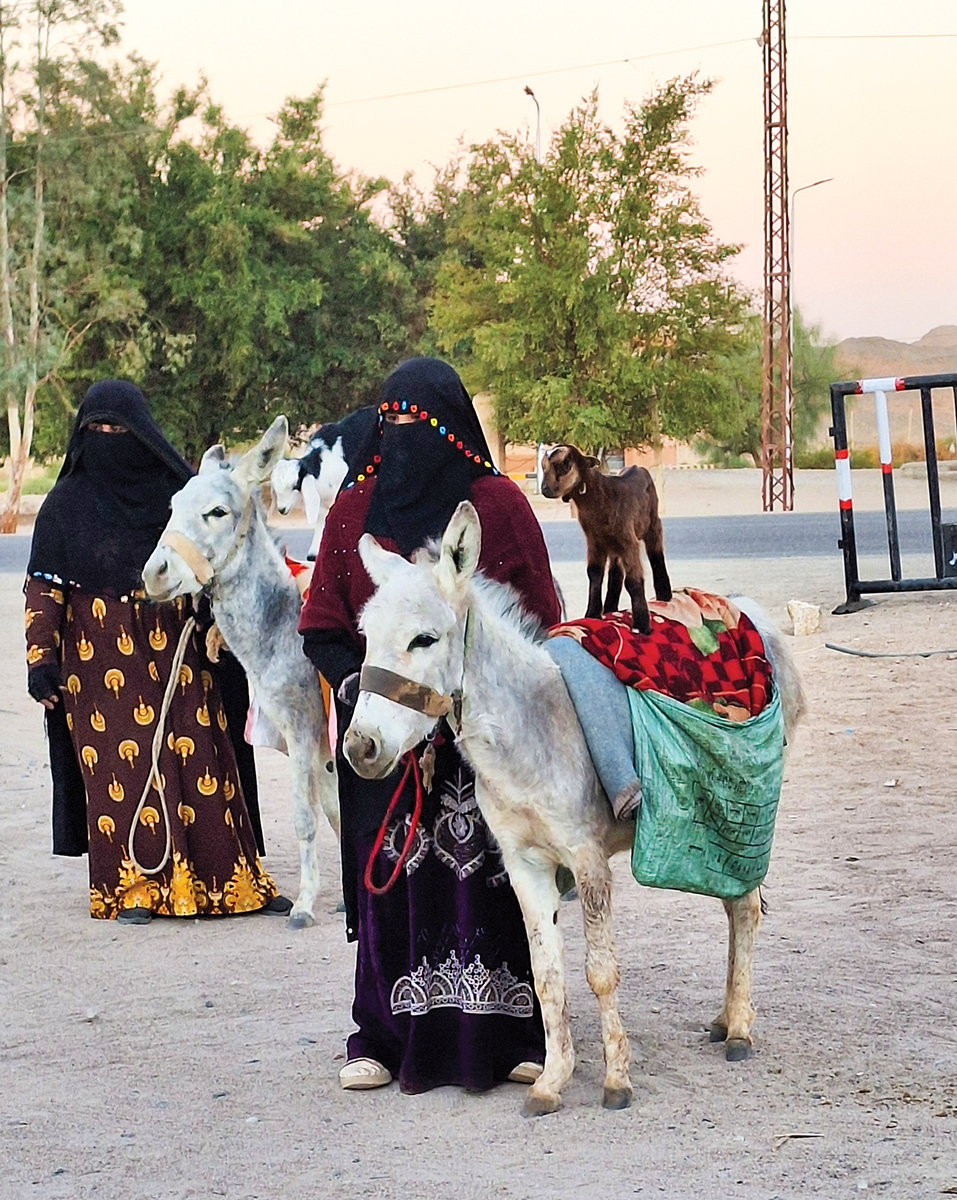
If it is a certain feeling that you are chasing, consider an ATV excursion into the desert to visit the Bedouin tribe. Not only will you get that adrenaline rush from the dune buggy ride, but you will also experience a culture shock when learning about the tribe who live in the desert. The word “Bedouin” derives from the Arabic word, “badawi,” which means “desert-dwellers.” They are a nomadic tribe that once spanned the deserts of the Middle East. Most have now settled, and there is a Bedouin village near Hurghada where you can spend some time in. Tours to the village often include a traditional tea, camel rides and starlit dinners. This is a great way to experience a new culture, learn how to survive in the desert, and make some new friends.
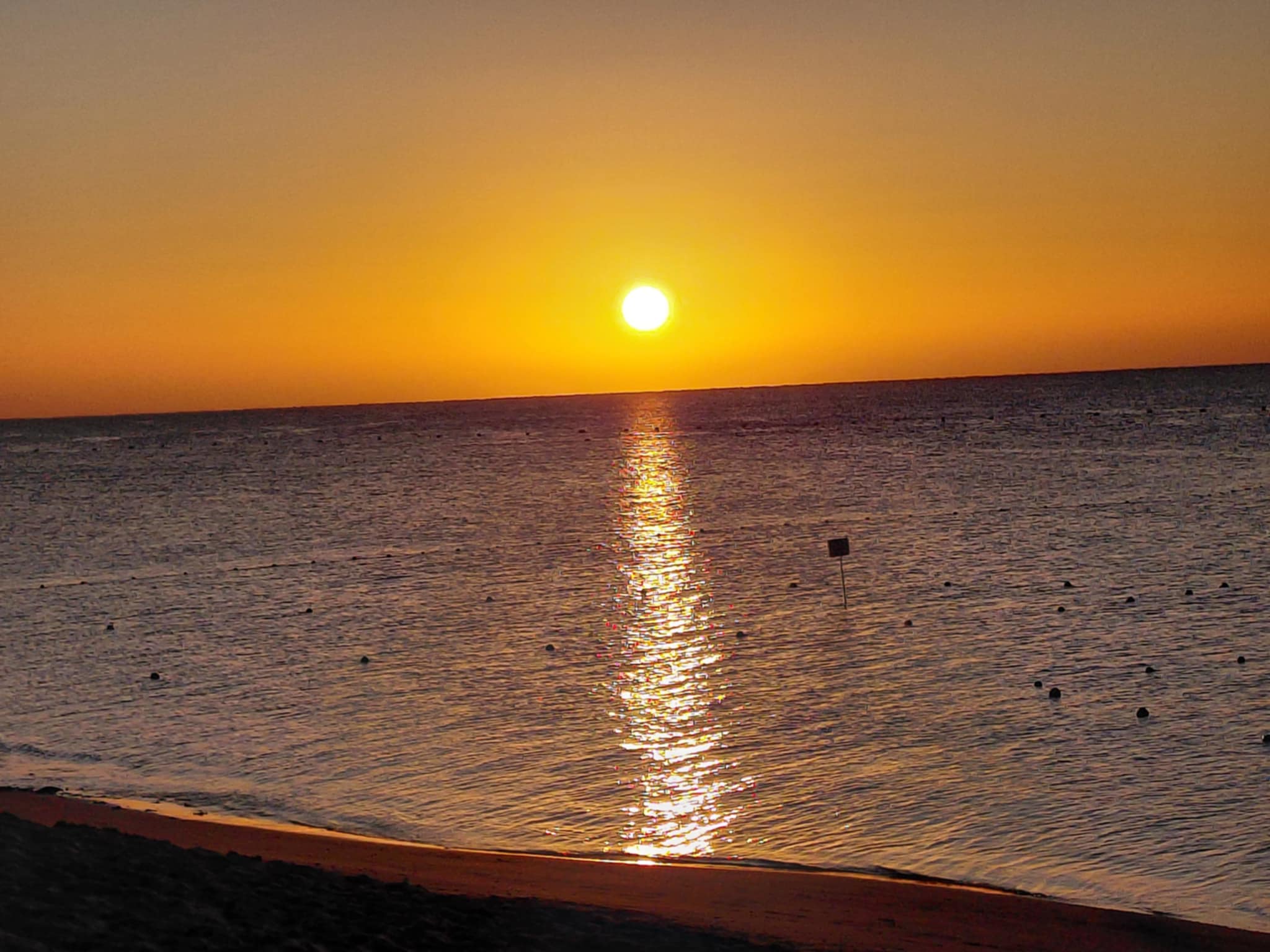
After a lot of time spent exploring the history and archaeology of Egypt, you will probably be ready to unwind. Magawish Island, five kilometres off the coast of Hurghada, is a paradise of turquoise waters and over 800 metres of white sand beaches. Enjoy the family-friendly resorts, waterparks and restaurants. It is a place to relax and spend your time leisurely. But when you begin itching to make another exciting memory, there are world-class coral reefs and a pristine marine sanctuary with over 200 fish species for you to explore. Snorkelling and glass-bottomed boats are both popular activities on the island and will surely be one of the highlights of your trip.
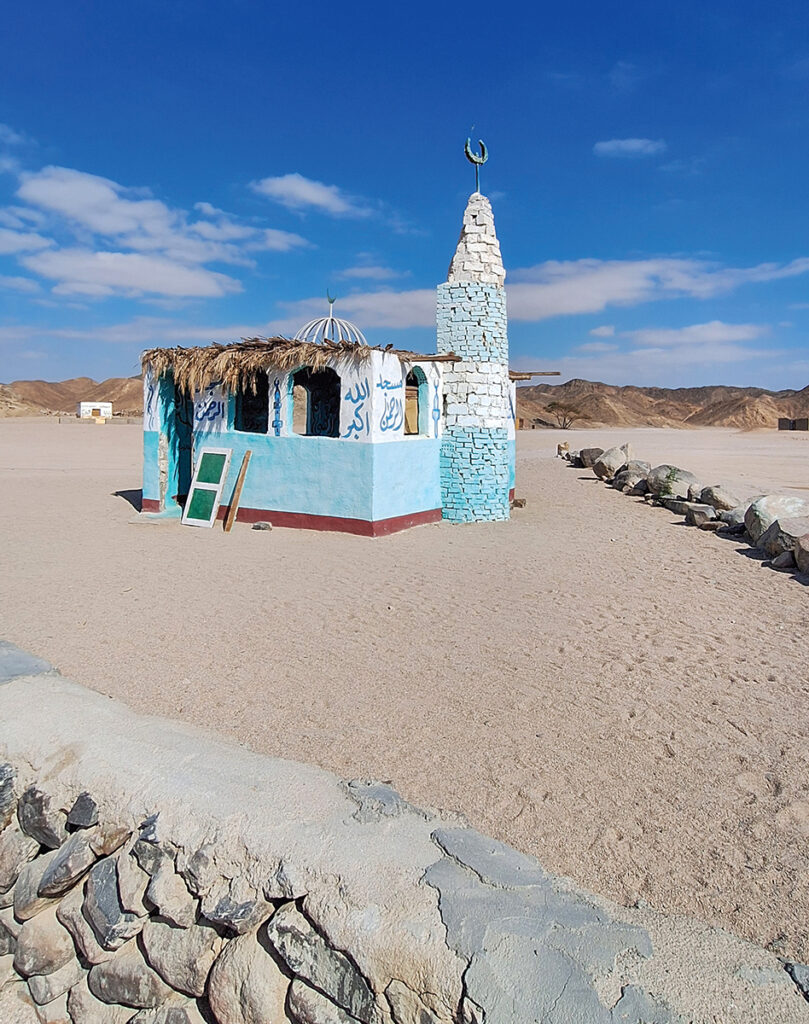
When navigating Egypt’s beauty and charm, always make sure to do your research. It is advised to not drink the water or any foods that are washed in water. Despite that, Egyptian cuisine is delicious; just make sure you choose a place with good reviews.
A visa is required for Canadian citizens, and it is recommended to rent private tours to get around the country. Driving in Egypt is dangerous. Though it is essential to visit the Great Pyramids of Giza, the roads through Cairo are composed of multiple unmarked lanes that vehicles and pedestrians zigzag through without warning. But that’s life, after all—an unmarked path that humans seek to mark with photos, hieroglyphs, statues, books. Learning to navigate the archives and the roads of Egypt will teach you a lot about embracing the time you have instead of letting precious moments fall away like grains of sand.
Published in the Summer 2026 Edition.

Add comment