

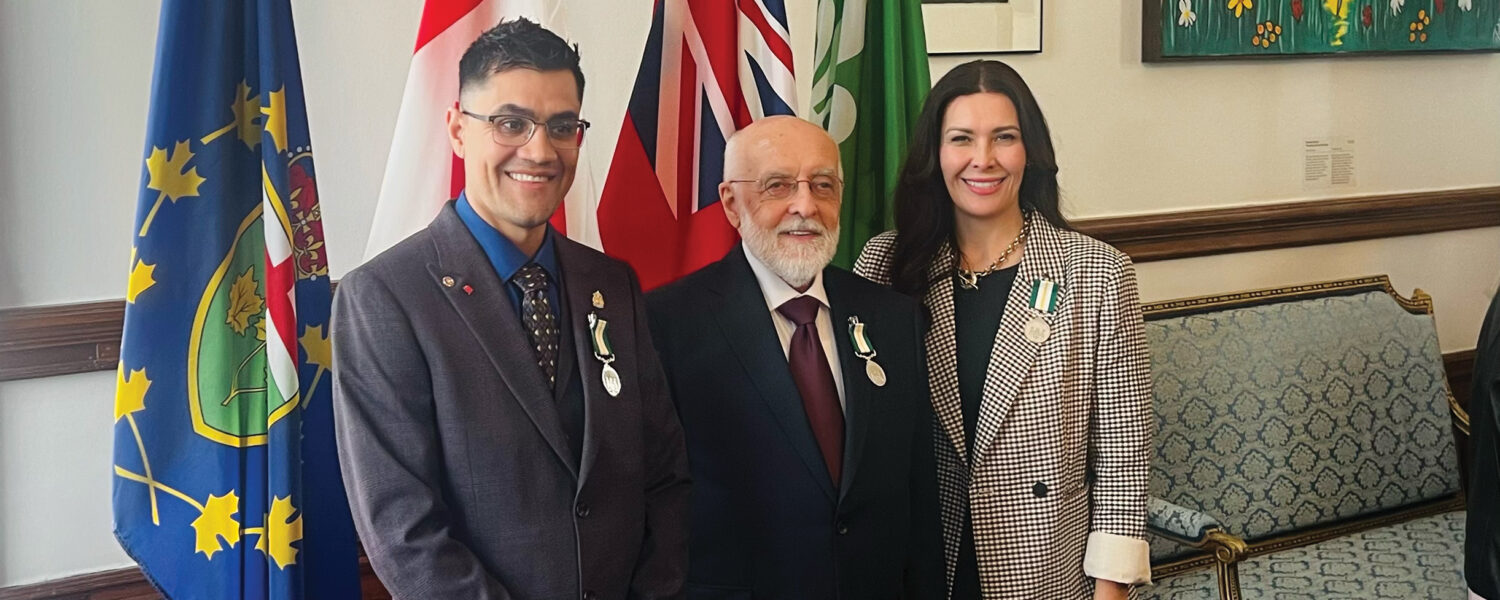
Stacey Robert-Tobin Offers Safe Haven for Those Struggling with Infertility
Story by Michael Seguin
Photography courtesy Stacey Robert-Tobin
Stacey Robert-Tobin has an impressive resume. She’s a Professor at St. Clair College who specializes in criminal and civil law, social justice, sociology and psychology. Prior to this, she had a career in law enforcement as a CBSA officer and Firearms Instructor. She’s also a published author, speaker, and entrepreneur.
Though when pressed, Stacey primarily identifies as a mother.
However, this particular path proved a slightly difficult one for her to first embark upon. Years ago, she and her husband Ryan struggled with infertility.
And while she is now the mother to two amazing children, these trials inspired her to found Fertility Friends—an organization which supports other families suffering from the same challenge.
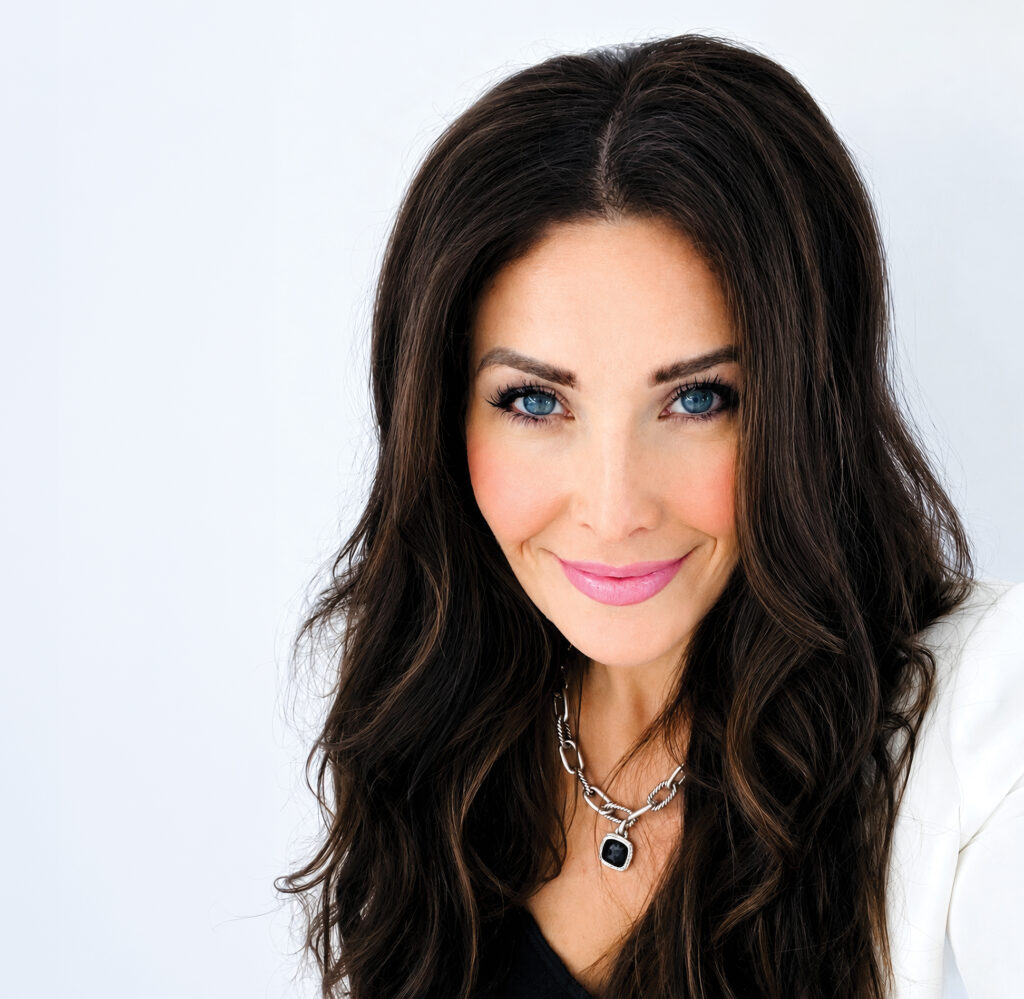
“I started the group in 2017 while struggling to conceive,” Stacey recalls. “My husband and I had gone through extensive testing, but all the results came back normal. They diagnosed us as having unexplained infertility.”
Stacey and Ryan spent the next few years undergoing further treatment, trying to determine the cause of their infertility.
“I became isolated,” Stacey explains. “Which is strange, because I’m a very social person. I love meeting new people and being out in the community engaging with others. I just felt like a piece of a puzzle that didn’t fit. All my friends were starting their own families, but we were lagging behind.”
While it is true that infertility affects all families, it can be particularly devastating for women.
“Women specifically feel the added pressure,” Stacey states. “That often has to do with societal expectations. There is also a common misconception that when people are unable to conceive, then it primarily has to do with the female partner. That level of responsibility can be debilitating. It can even lead to suicidal ideation for some.”
Stacey then went online to try and find support. But to her surprise, she discovered that the resources were somewhat limited.
“There was nothing available for us,” Stacey explains. “Nothing local, at any rate. I decided that if I was feeling this way, then maybe I could start my own group and fill a need for others.”
Stacey founded Fertility Friends shortly thereafter. This was grassroots, from-the-ground up effort. She recruited her first ever members by trawling through message boards on doctor’s websites, leaving comments inviting people to join her organization.
From there, Fertility Friends has continued to expand. It now serves as a warm, supportive meeting place where those suffering from childbirth issues can gather, vent, and feel lifted up during such troubled times. As well, they hoard a substantial amount of knowledge and medical information, even recommending physicians or clinics who might help.
It currently supports nearly 900 families, including those beyond Windsor and Essex County.
“I’ve met some amazing people through our group,” Stacey explains. “We’ve definitely had babies born under our watch. Including my own! Looking back, it was a very healthy and positive distraction for me, which helped take the focus off my own grief. Pouring your time and energy into other people is a great way of redirecting all those emotions that can often curdle into self-loathing.”
Though sometimes, all someone truly needs is a sympathetic, understanding ear.
“In my lowest times, when I was experiencing the true depths of grief and loss, I wanted to feel supported by others,” Stacey explains. “But sometimes as citizens of the world, we have a tendency to want to fix everyone’s problems. We’re always looking for the right words to say. So, we often have people giving their unsolicited feedback.”
This, Stacey goes on, can take on many uncomfortable forms.
“They might wheel out the usual reassurances,” Stacey states. “‘Just go on vacation!’ ‘Just relax!’ ‘Or leave it up to God!’ But these are some of the worst things that you can say. A lot of people have approached me with similar stories over the years. That they have friends or family who are experiencing infertility and aren’t sure how to comfort them. My advice to them is always the same. Just tell your loved ones: ‘I’m so sorry you’re going through this and I’m here if you need anything.’ It’s the perfect sentence!”
This is especially true for those experiencing infertility issues.
“They’ve already done the research,” Stacey explains. “They’ve already read the books. While there’s a time and a place for positivity, we need to be careful not to devolve into toxic positivity. You never want to be the Well At Least person.”
That said, aside from the obvious success stories, Fertility Friends has also worked wonders for the mental health of those involved.
“The biggest win that has come out of this group is the profound sense of family it nourishes,” Stacey states. “The profound sense of support. It’s really hard to explain to somebody what infertility feels like. It’s grief and loss, but grief and loss for something that hasn’t happened. This can be intensified for failed IVF treatments or miscarriages. The risk of depression and clinical anxiety is high. Not to mention the shame and the low self-esteem or the relationship strain. But this group in particular has been a haven for us. We’re our own biggest success stories. Having the guts to step out of our comfort zone and seek help is a huge accomplishment.”
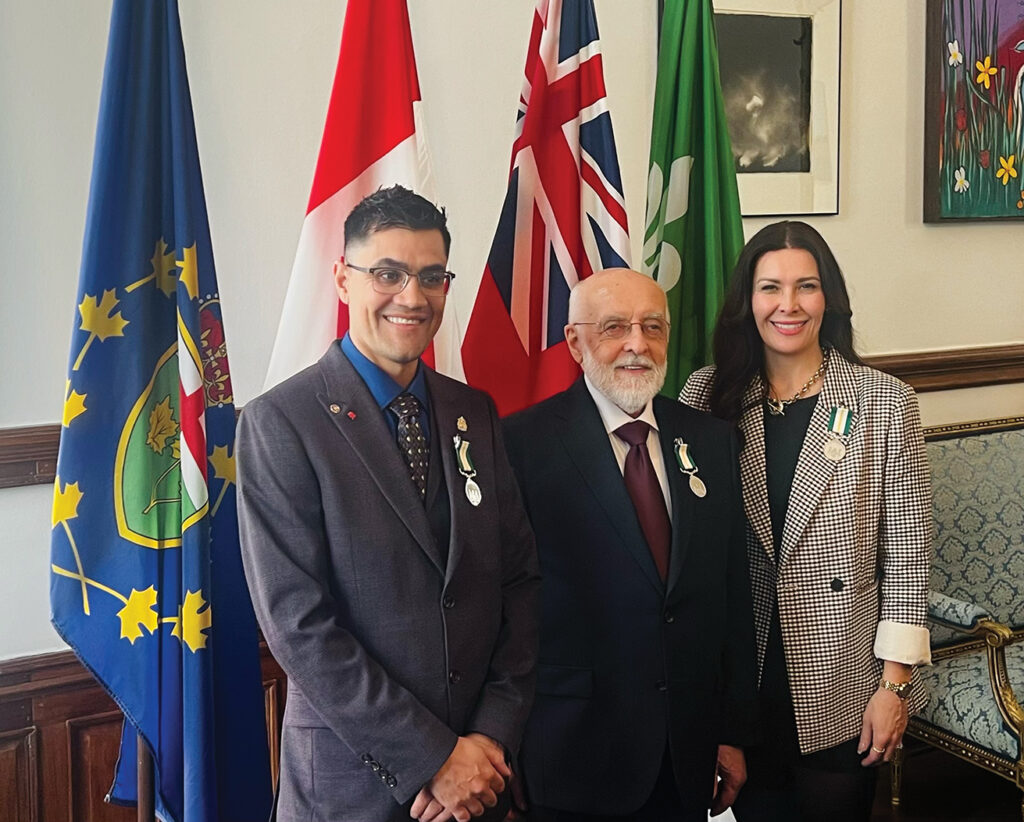
Stacey has been well-recognized for her efforts. She recently won the Queen Elizabeth II Medal for Good Citizenship – the second highest civilian honour in Ontario.
Two other Windsorites—Sam Sinjari and Dean Paul La Bute—also won the award for their own community-focused efforts.
When asked what encouragement she would offer to those thinking of enrolling into the group, Stacey stresses that everyone is welcome to show up in whatever way they can.
“If anyone is looking for support or feeling lonely and isolated, then feel free to reach out to Fertility Friends,” Stacey explains. “You can find us in the Facebook group of the same name. You can be involved as much or as little as you’d like. You can simply observe or ask questions. Or you can start attending meetings right away. It’s all about what you need in that moment. You’re always welcome.”
More information about Fertility Friends is available on Facebook.
Published in the Summer 2026 Edition.

Add comment