

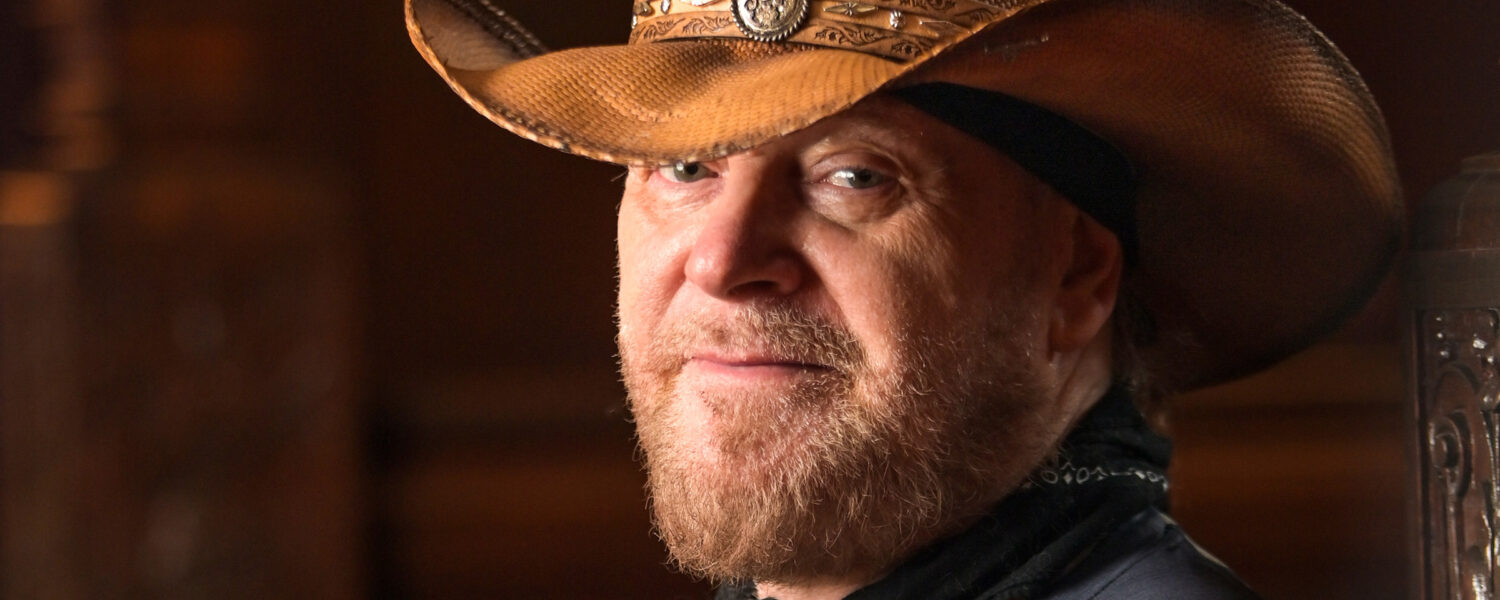
The Passionate Pursuit of Art and Soul
Story by Karen Tinsley
Photography by Syx Langemann
Some artists spend a lifetime searching for their voice. Paul Murray found his before he could even spell his name. “For me it all began when I was three years old, painting on the walls at home.”
Born and raised in St. Clair Beach, Paul fought every boundary and rule sneaking out and skipping school to do his art. He was transferred from Grade 7 at D.M. Eagle Public School in St. Clair Beach to Grade 9 at Western Secondary School in LaSalle, where counselling, discipline and other interventions were attempted.
Despite these efforts, Paul’s resistance had him hiding on rooftops to avoid being caught and missing most of his high school classes while walking 12 miles to the Ouellette Homestead in Belle River, loving their horses and watching the Ouellettes make tools by hand and live off the land.
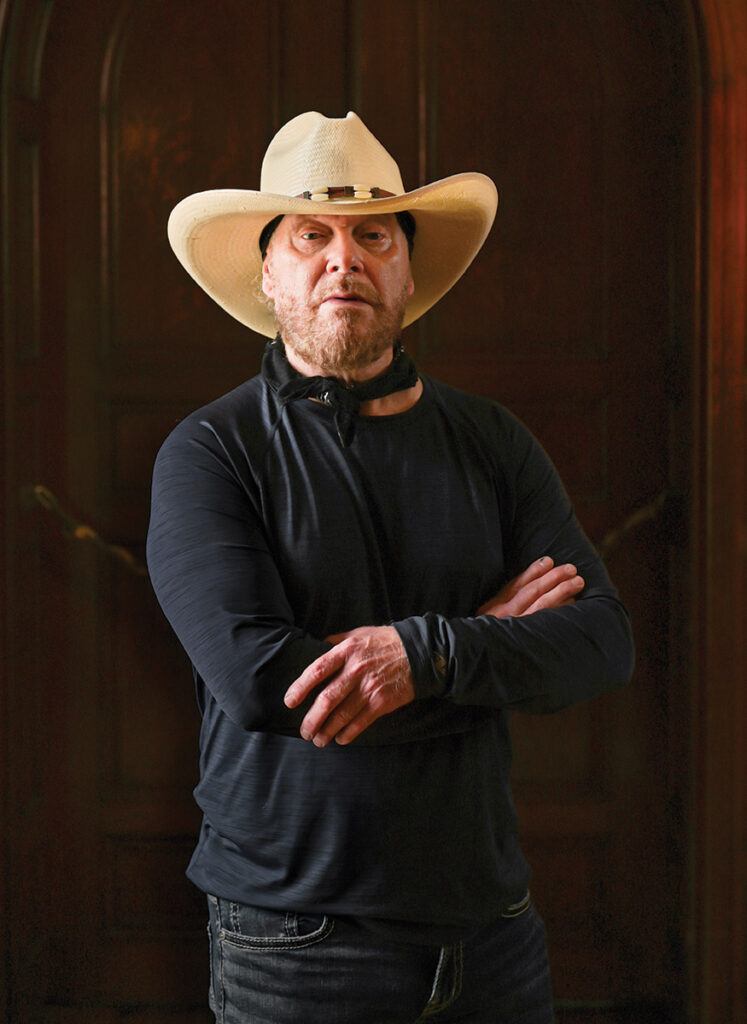
Paul’s father (a tool-and-die man with a love of art) purchased a correspondence course associated with Norman Rockwell and other leading illustrators of the day. Young Paul often pored over the course materials, determined to learn whatever he could to hone his craft.
Showing and selling his work at local art shows at age 10, Murray was presenting his works at Art In The Park at age 12 and shortly thereafter abandoned school to follow his calling.
By age 16, Murray’s one-man-show had morphed into a major event and at 28 he held an event at Lakewood Golf Course which drew nearly 7,000 people over 4 days.
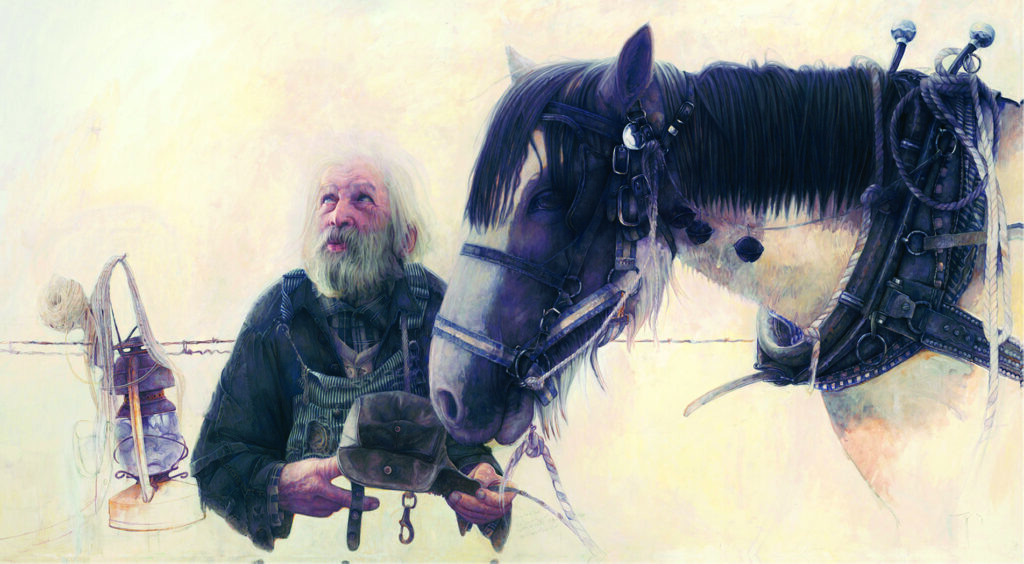
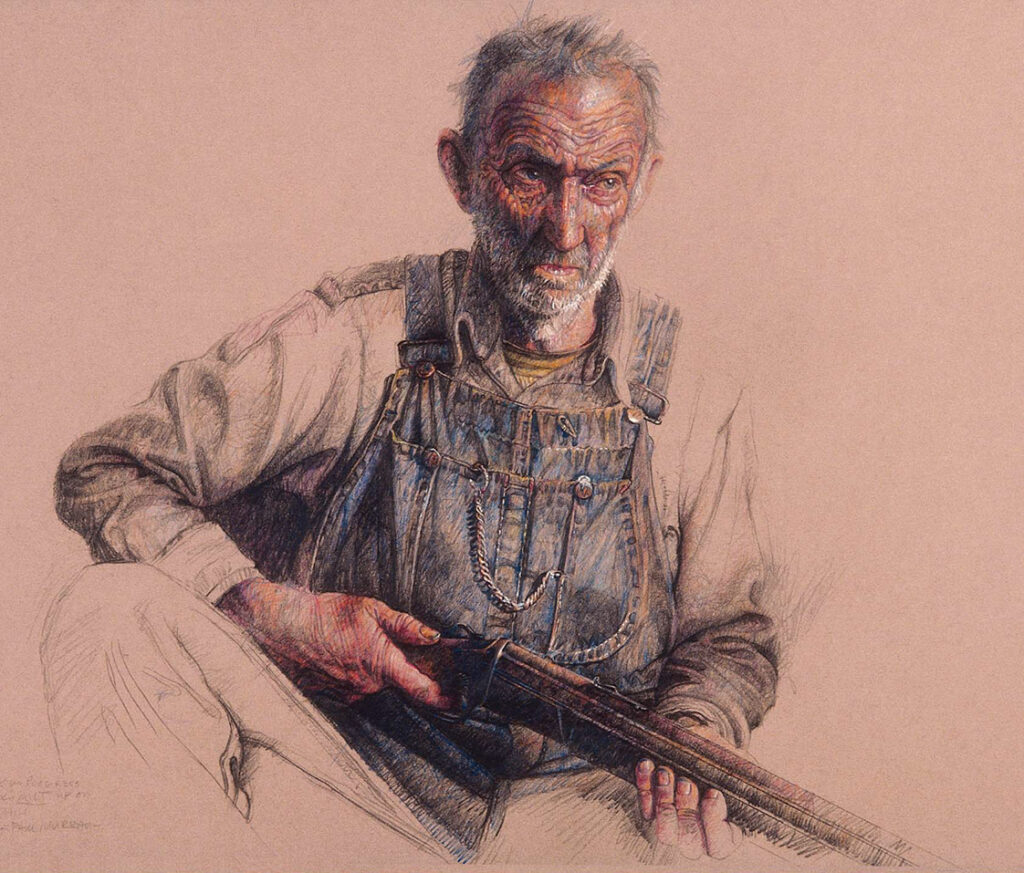
Murray’s work defies easy categorization. Often described as a ‘detail artist’ or ‘soul painter’, he says, “we’ve all heard that ‘the eyes are the window to the soul.”
However one describes Paul Murray, his creative gifts clearly go beyond painting; his book ‘Mirrored Souls’ became a Canadian bestseller long before the advent of the internet. Without a publisher, promoter or agent, prestigious international galleries and print publications clamored to showcase his work.
Murray’s strong belief in giving back and his passion for the Appalachian people has raised over $2 million for charities connected to the communities that welcomed and embraced him.
He was drawn to these isolated people at a time when life as they knew it was on the verge of extinction. He was not simply seeking artistic subject matter; he knocked on strangers’ doors and lived among them, listened to their stories, sketched and documented them through journaling and recording. Gradually garnering the trust of these fiercely private people, Murray followed some families through generations.
Many became lifelong friends.
Paul’s mission grew far beyond portrait painting. Beginning in his preteens, he spent years studying the lives and culture of rural and mountain people he already deeply admired. That knowledge led him into isolated areas of Southeastern Appalachia, where he formed lasting relationships and devoted his work to preserving the lives, stories and spirit of the people he came to know.
Although Murray’s roots are firmly planted in Essex County, he admits, “it’s never really felt like the ‘old world’ home I sought. Lots of cars and lots of industry. I’m more at home living the simple life, like the one I discovered in Tennessee Southern Appalachia.”
Dividing his time between an Ontario Amish community and his gallery and studio in Gatlinburg, Tennessee, Murray says the contrasts fuel him. “I think when you live in only one place your whole life, you can become ‘blind’ to your surroundings, but new places inspire new experiences.”
Murray paints all day, every day, with a steady, deeply intuitive discipline. “I start early, eat well, and I work out because I sit for long stretches every day.”
Each creation begins with preliminary sketches. Lots of them. “I have an elephant brain; I can paint without anything in front of me,” Murray explains. “If the preliminary sketches aren’t working, I take a page from Andrew Wyeth’s book: step back, let things sit and then revisit.”
A firm believer that creativity plays a pivotal role in the world, Murray proposes, “If you corralled every artist, actor, writer and musician and stuck us all on an island, the world would quickly unravel; without creativity we’d be living joyless lives.”
He works in half hour bursts; taking five minute breaks before diving back in. “I don’t punch a clock; I simply follow where the art leads.”
Employing almost every artistic medium (oil, watercolour, gouache, pastel, charcoal and pencil), Murray describes his technique as “along the lines of Vermeer or Rembrandt…lots of glazing. A defining characteristic of my technique is the use of ‘negative space’, a lot of air between the brush strokes. Ace guitarist Jeff Beck said, ‘If you don’t leave space between the notes, you’ve lost the whole concept.’ I agree.”
His mastery lies as much in what he leaves untouched as in what he paints.
Murray’s influences and inspiration include Tennessee artist and close friend Jim Grey as well as Canadian wildlife artists Glen Loates and Robert Bateman. In 1975, Murray was also thrilled to meet Norman Rockwell in Detroit.
Rockwell described the young Murray’s hands as having been “touched by an angel.”
In addition to Rockwell, Murray’s artistic heroes are those who clearly understood both technical mastery and emotional truth: Wyeth, Vermeer and Rembrandt.
Murray gravitates toward subjects who appear rugged but radiate gentleness. “With so much turmoil in the world today, I try to capture ‘calm’. That’s how I want people to feel when they view my work.”
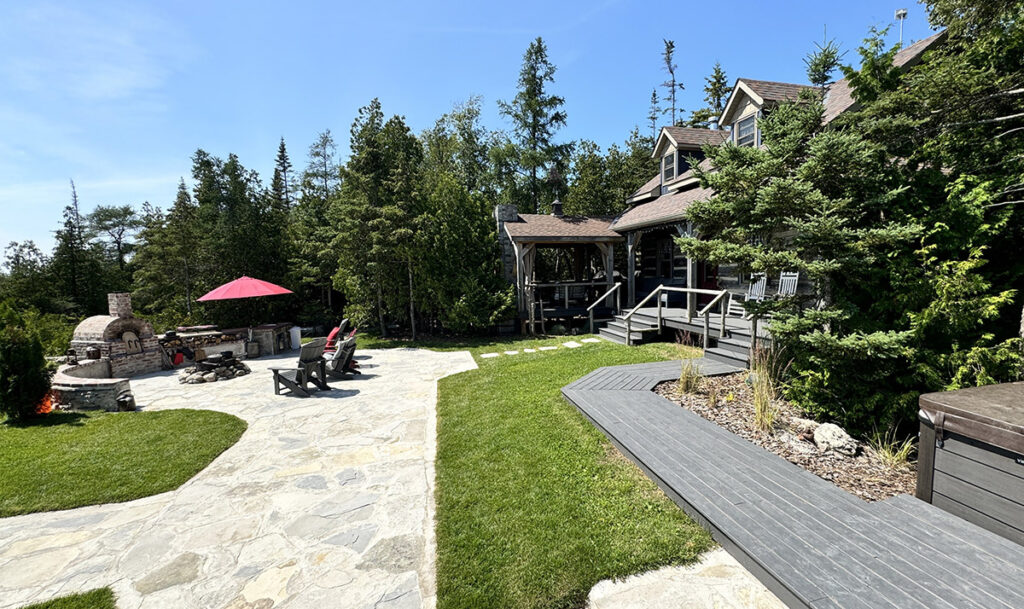
Animals have been part of Paul’s art from the beginning. They appeared naturally within the rural lives and environments he preserved, all while living in his own 1800s log cabin, originally built by Walt Disney’s grandfather.
The cabin was taken down in Bluevale, Ontario and later rebuilt in Tobermory.
Current projects are as eclectic as they are ambitious, such as nine-foot by six-foot piece featuring a rooster named Beau, a chicken named Beatrice…and a fox with a gun.
Murray often gives thought to his audience — but not in the way one might expect. “I do want people to like my art, but if someone cringes when they see it, that tells me I’ve hit a deep chord within; fine art is often disruptive.”
“Commission work doesn’t interest me; I’m compelled to paint what I love.”
Murray’s wife of 35 years, Kati Jane, is his secret weapon. “I’ll say I want ‘x’ for a painting, and she somehow goes out and gets double that, maybe more. If not for her, I’d still be selling paintings for a fraction of their worth.”
Reaching far beyond where the stories began, Murray’s work has garnered international attention and acclaim.
His professional debut in Willistead Park in 1970 has indeed come full circle; from November 26 to 27, 2026, Willistead Manor will host ‘Welcome to My World: A 56-Year Full Circle Moment’. Murray promises an intimate and unique experience as he opens the doors to a world that few have been permitted to enter.
For more detailed information about Paul and his art, visit paulmurray.com.
Published in the Autumn 2026 Edition.

Add comment